

Building in Forth
A sheltered river valley between Ulverstone and Devonport — rural character, affordable land, and a genuine sense of community.
The Valley Between the Coasts
Forth sits quietly in the valley of the same-named river, roughly halfway between Ulverstone and Devonport on Tasmania's north-west coast. It's the kind of place that people in the region know and love, but that rarely attracts the attention of those further afield — which is, in many ways, part of its appeal.
The township is small — a few hundred residents — but the surrounding valley is broader and more populated than the village itself suggests. The Forth River flows from the central highlands down through farmland and orchards before reaching Bass Strait just west of Devonport. It's green country: reliable rainfall, fertile soil, and the kind of landscape that makes a well-designed home feel truly embedded in place.
For people seeking a rural residential address without isolation, Forth occupies a genuinely enviable position. Ulverstone's shops, schools, and services are less than 10 minutes west. Devonport — with its hospital, airport, ferry terminal, and retail — is 15 minutes east on the Bass Highway. You get the river valley lifestyle with the north-west coast infrastructure close at hand.
Land values in Forth and its surrounds reflect the area's lower profile. For clients who want space, privacy, and a genuine rural connection — rather than a coastal address — the Forth Valley consistently delivers more land for less money. That freed-up budget can go directly into the quality of the build.
Why People Choose Forth
The Forth River
The river defines the valley — flat farmland on the plains, steeper terrain on the valley walls, and the river itself providing a natural focal point for outdoor life. Walking, fishing, and kayaking are part of everyday life for those who choose this address.
Central to the North-West
Forth sits at the midpoint of the Ulverstone–Devonport corridor, with both towns under 20 minutes away. Devonport's airport, hospital, and Spirit of Tasmania terminal are all within easy reach — as is Ulverstone's cafés, primary school, and high street.
Rural Residential Character
The valley is characterised by farmland, orchards, and rural residential blocks. If you want genuine space — a site where neighbours aren't immediately visible, where you can hear the river rather than the road — this is the kind of address Forth offers.
Affordable Land
Land in the Forth Valley consistently offers more value than coastal addresses in the region. For clients who want to invest in the quality of the build rather than the premium of a postcode, Forth is an excellent starting point.
Community & Schools
Forth Primary School serves the valley community. The broader Ulverstone–Devonport corridor offers secondary schooling, healthcare, and all the services of a major regional centre — without imposing the density of urban living on the valley itself.
Northern Exposure
North-facing blocks on the valley's south-facing slopes capture long winter sun — an ideal starting point for a high-performance home. Our airtight, super-insulated builds turn this natural orientation into real comfort and energy efficiency year-round.
What to Know About Building in Forth
Forth sits within the Central Coast municipal area, and applications are lodged with and assessed by Central Coast Council under the Tasmanian Planning Scheme; PlanBuild Tasmania is the state portal for planning enquiries (state-wide), with online lodgement rolling out council-by-council. The area is primarily rural residential and low-density, so the planning environment is generally straightforward for new custom homes. Here's what to understand before you start:
- Some properties near the Forth River carry flood overlay overlays — a key reason to engage a builder early for site assessment rather than designing blind. Davies conducts a thorough site review as part of our feasibility process.
- Rural residential zones in the valley typically allow generous setbacks and lot sizes, giving designers real freedom to orientate the home for solar access, views, and privacy simultaneously.
- The Forth Valley receives reliable rainfall and is generally not in a high bushfire risk zone — unlike some inland Tasmanian locations — making it straightforward from a BAL rating perspective for most sites.
- Connection to town services (sewage, water) varies by location. Some rural blocks use tank water and on-site waste management systems, which Davies has extensive experience designing and specifying.
- Our Sheffield base is about 30 minutes from Forth, and we work with local and regional trades across the north-west corridor. There's no learning curve for us in this landscape.
Whether you're building a primary residence, a rural retreat, or a multigenerational home on family land, the Forth Valley is a setting we know well. Our high-performance building approach is particularly well-suited to valley sites — capturing passive solar, managing moisture, and delivering homes that are genuinely comfortable through every Tasmanian season.
Davies Projects in the Region
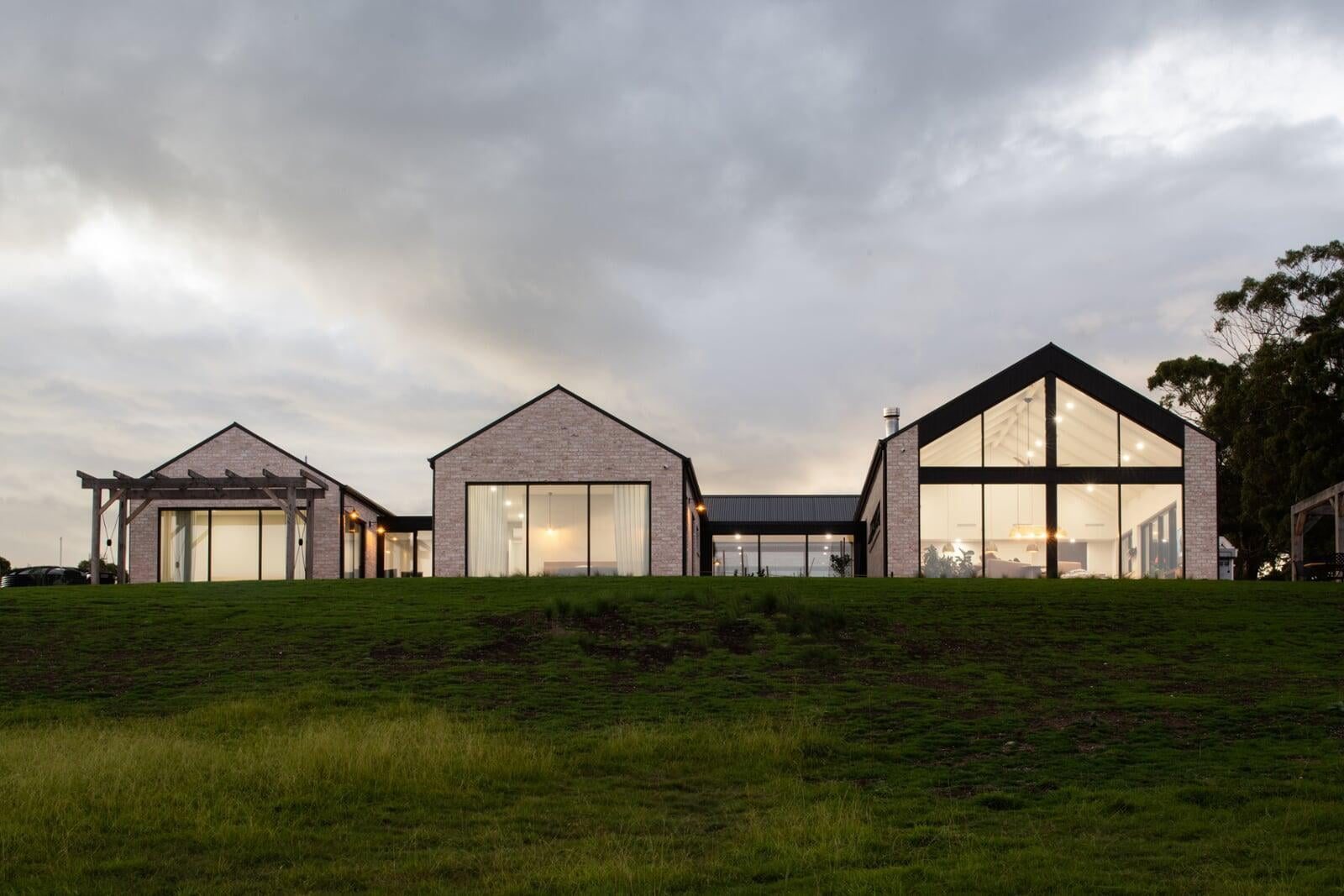
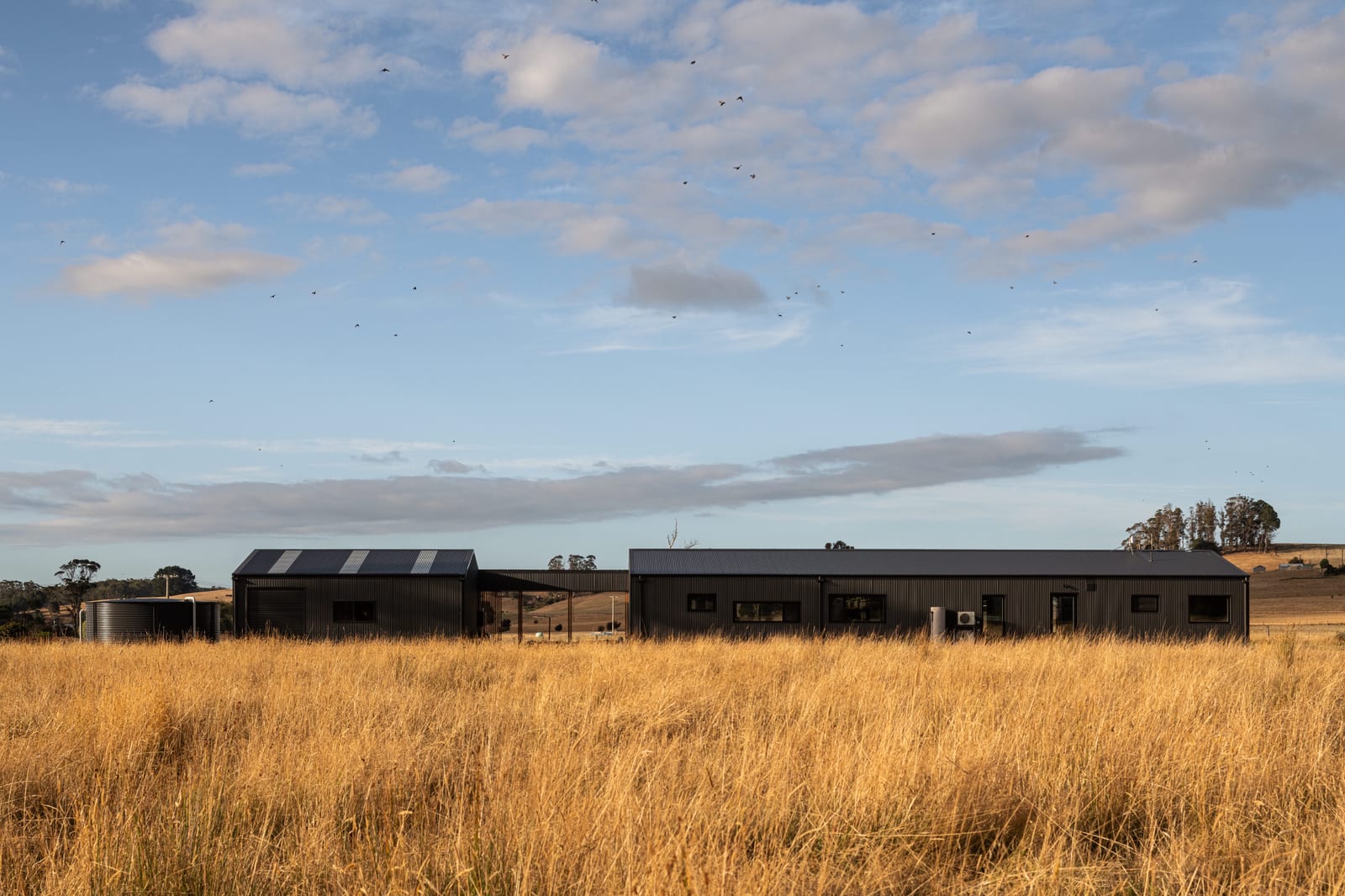
Our portfolio spans the north-west coast and its hinterland — each project a response to a specific site, brief, and family. The Forth Valley's rural character is familiar territory.
Forth Building FAQ
What is Forth like to live in?+
How much does it cost to build in Forth?+
What should I know about building in Forth?+
Does Davies Construction build in Forth?+
What projects has Davies built near Forth?+
Also building in
North-West Coast & Hinterland
Tamar Valley & Launceston
Midlands & East Coast
Southern Tasmania