

Building in New Norfolk
Tasmania's oldest inland town — Derwent River setting, colonial heritage, an emerging food and distillery culture, and a valley that rewards those who look beyond the obvious.
Tasmania's Heritage River Town
New Norfolk is Tasmania's oldest established inland town — and one of Australia's most underestimated places to build. When free settlers from the Norfolk Island penal colony arrived in the early 1800s and established their community along the Derwent River, they chose well: a river valley surrounded by hop gardens, market gardens, and ranges that catch cloud in ways that make you reach for your camera. The town's colonial-era streetscape, preserved hop kilns, heritage churches, and federation-era buildings give New Norfolk a physical depth that most places can only pretend to have.
The town sits 38 kilometres north-west of Hobart along the Lyell Highway, following the Derwent River upstream through the valley. Population is approximately 7,800 in the New Norfolk statistical area, and the Derwent Valley as a whole is experiencing a steady, genuine growth story. The new Bridgewater Bridge (opened June 2025) has shortened effective travel times to Hobart — a commute that was once complicated by a bottleneck crossing is now a smooth 40-minute drive.
New Norfolk made national real estate publications' top 100 boom suburbs list for 2026 and beyond. The rationale was clear: median entry prices among the most affordable in Greater Hobart, a riverside setting, improving culinary and hospitality offerings, and a heritage charm that attracts both downsizers and a growing cohort of buyers choosing authenticity over proximity. The biggest catalyst is industrial: Incat, the world-leading Tasmanian shipbuilder, is expanding to a new Boyer site beginning 2026, bringing up to 1,000 jobs to the valley over the next decade.
For a custom home builder, New Norfolk offers a site type rarely available elsewhere in southern Tasmania: affordable land, a genuine sense of place, proximity to remarkable natural landscapes (the Derwent Valley, Mt Field National Park, and the Central Highlands are minutes away), and a community that is discovering itself. Building here requires care — particularly near heritage precincts — but the result is a home in a location that rewards every design decision.
Why People Choose New Norfolk
Derwent River Setting
New Norfolk sits on a sweeping bend of the Derwent River — the same river that flows through Hobart to the Southern Ocean. Fly fishing, kayaking, river walks, and the visual drama of a fast-flowing river winding through a forested valley give this town a setting that is simply irreplaceable.
Colonial Heritage Character
Two centuries of settlement have left New Norfolk with one of Tasmania's richest built heritage landscapes. Georgian and Victorian streetscapes, preserved hop kilns, the Royal Derwent Hospital grounds, and heritage churches give the town a physical depth that speaks to permanence — a counterpoint to the disposable architecture of most modern residential development.
Emerging Food & Distillery Culture
The Derwent Valley produces some of Tasmania's finest cool-climate hops, cherries, and cool-climate produce. The valley's culinary identity is crystallising: boutique distilleries, a craft brewery, independent restaurants, and a Saturday farmers' market make New Norfolk increasingly compelling as a place to live rather than just visit.
Gateway to Wilderness
Mt Field National Park — home of Tasmania's most accessible alpine wilderness and the spectacular Russell Falls — is 37 kilometres up the valley. Lake Pedder and the Southwest National Park are within reach. The Derwent Valley is the launching point for some of Tasmania's most extraordinary natural experiences.
Affordable Entry to Greater Hobart
Median house prices of $475,000–$555,000 represent some of the best value in the Greater Hobart region. Land in the Derwent Valley — particularly outside the town centre heritage area — offers space and setting at prices that make a genuinely well-built, high-performance custom home financially achievable.
Employment Growth (Incat Boyer)
Incat — the world-leading Tasmanian designer and builder of wave-piercing catamarans and battery-electric ferries — is expanding to a new Boyer site in the valley. Construction begins 2026, with up to 1,000 jobs projected over the following decade. Demand for quality housing in the valley will follow.
What to Know About Building in New Norfolk
New Norfolk falls under Derwent Valley Council, based at 61 Circle Street in the town itself. Planning and building applications are lodged with and assessed by the council under the Tasmanian Planning Scheme; PlanBuild Tasmania is the state portal for checking a property's planning rules and overlays, with online lodgement rolling out council-by-council. The Derwent Valley is a rewarding place to build — but it has specific considerations that matter at the design stage:
- Heritage overlays apply across much of the town centre and a number of surrounding residential streets. Sites within or adjacent to these zones require pre-application consultation with Derwent Valley Council before design commences — understanding the character expectations early prevents costly design revisions downstream.
- The Derwent Valley experiences genuine cold winters — minimum temperatures regularly below zero, with some frost on valley floors. A high-performance building envelope (super-insulated, airtight, with mechanical ventilation and heat recovery) is the only sensible response. Davies builds to this standard as a baseline, not an upgrade.
- Lower-lying lots adjacent to the Derwent River may be within the flood planning overlay. A hydraulic engineer's assessment should be obtained before purchasing land on the river flats — foundation and floor level requirements can materially affect design and cost.
- The Derwent Valley's rural fringes include sites subject to Bushfire Prone Land (BAL) assessments. Blocks adjacent to bush or native vegetation require BAL assessment from a qualified assessor as part of the building consent process — we factor this in from the outset on all rural sites.
- Established trades and suppliers serving the Hobart market operate throughout the Derwent Valley, meaning project management logistics are straightforward. The valley has supported residential construction for 200 years, and the service infrastructure reflects that.
- Spectacular view sites — particularly those on elevated positions above the town overlooking the river — require careful design for orientation and outlook. Our design process ensures every site's unique position is fully leveraged in the floor plan and facade.
Davies has designed and built homes across Tasmania's heritage-rich and climate-variable landscapes for over 15 years. The Derwent Valley's combination of cold winters, heritage sensitivity, and exceptional natural setting is familiar territory — and exactly the kind of challenge our design-and-build approach is built for. We'd be delighted to discuss your New Norfolk project.
Davies Projects in the Region
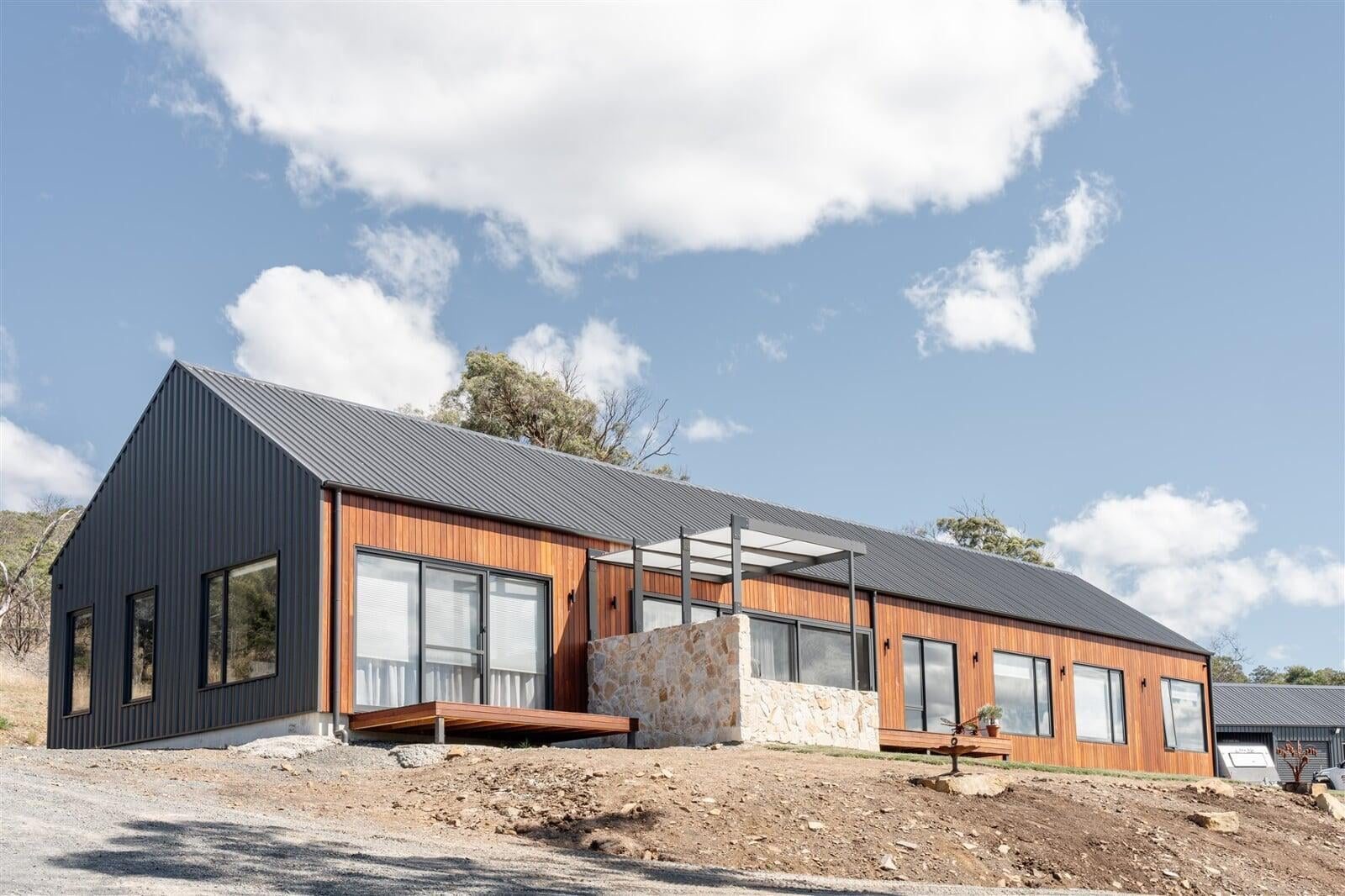
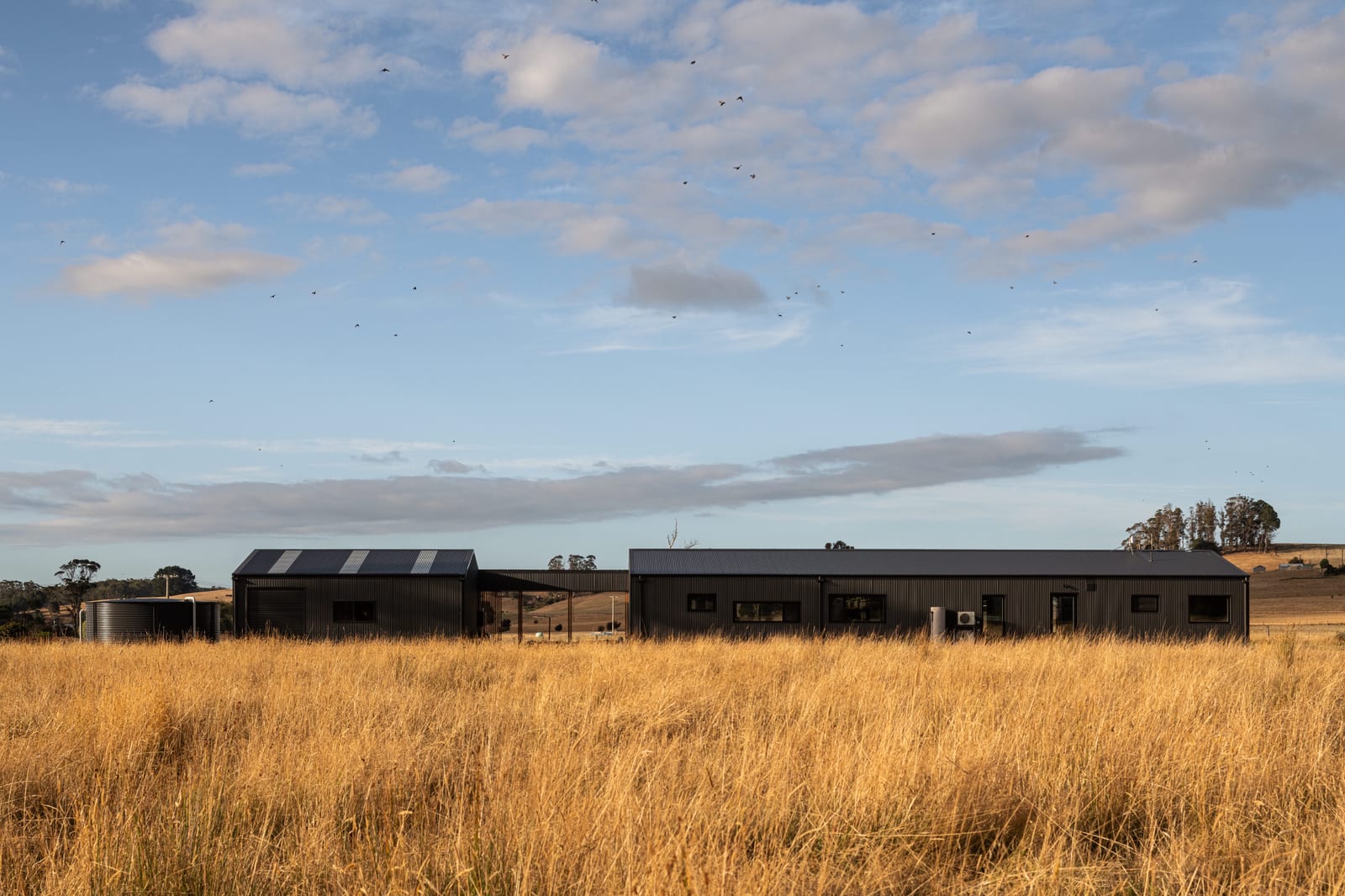
Our portfolio includes homes built for river settings, heritage environments, and cold-climate sites across Tasmania — each one a benchmark for what thoughtful design delivers.
New Norfolk Building FAQ
What is New Norfolk like to live in?+
How much does it cost to build in New Norfolk?+
What should I know about building in New Norfolk?+
Does Davies Construction build in New Norfolk?+
Also building in
North-West Coast & Hinterland
Tamar Valley & Launceston
Midlands & East Coast
Southern Tasmania