
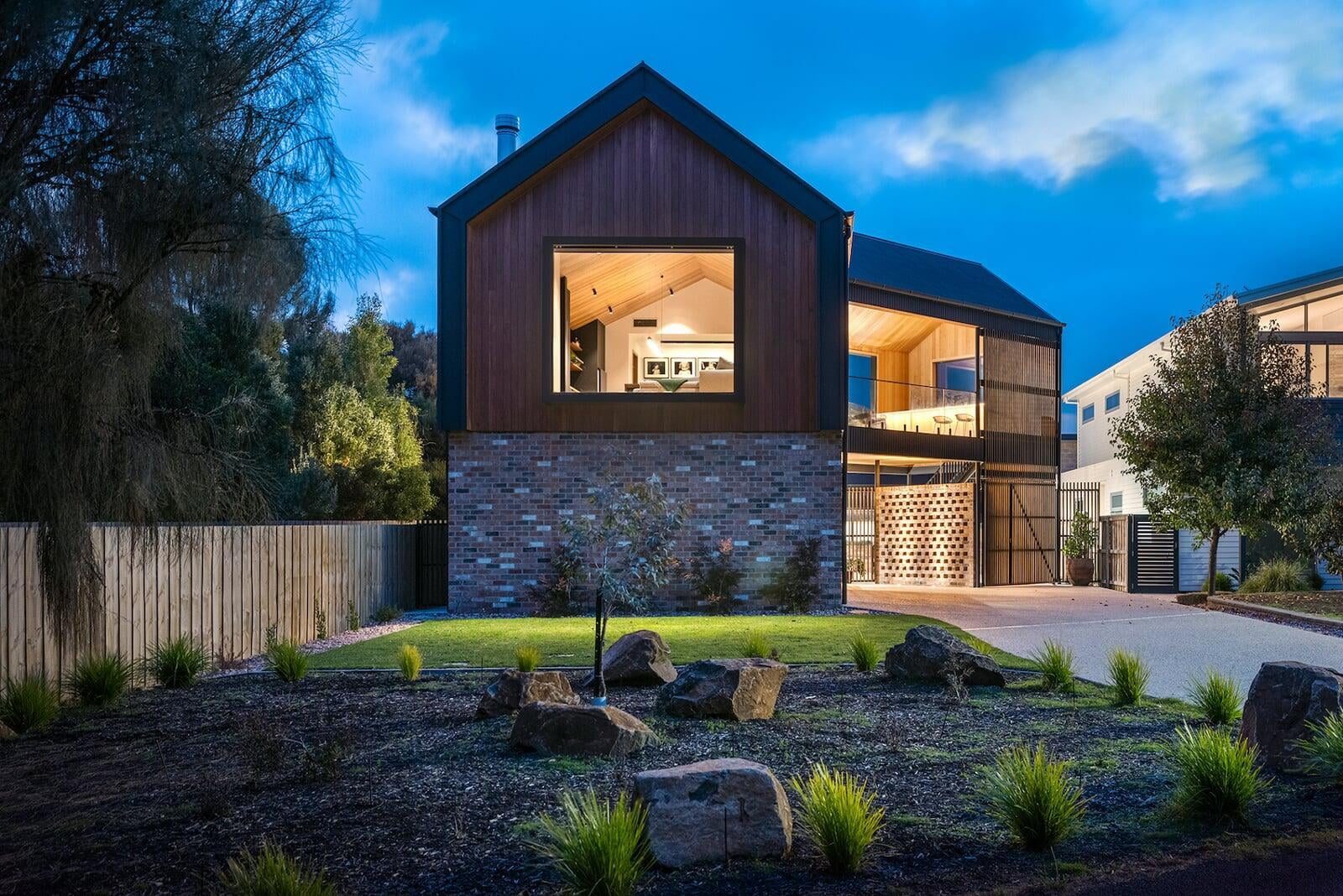
Building in Wesley Vale
Flat coastal plain community of 483 residents between Devonport and Port Sorell — agricultural character, immediate access to services, and Devonport Airport on the doorstep.
Between Devonport and Port Sorell
Wesley Vale sits on the flat north coast of Tasmania in the Latrobe Municipality, approximately 10 kilometres east of Devonport and 10 kilometres west of Port Sorell. With a population of approximately 483 residents (ABS 2021), it is a quiet, predominantly agricultural community on the coastal plain between Tasmania's third-largest city and one of its fastest-growing coastal towns.
The northern end of the locality is home to Devonport Airport — the main airport for north-west Tasmania, originally established as Pardoe Downs Aerodrome in 1950. The airport connects the north-west to Hobart, Melbourne and Sydney with daily flights and serves as the primary air gateway for Devonport, Launceston's north-west hinterland, and the Cradle Mountain tourism corridor. This proximity means Wesley Vale residents have genuine regional connectivity unusual for a community of this size.
The former Wesley Vale pulp mill site — a major industrial complex operating from 1968 to the early 2000s — has been redeveloped as Mill Park Wesley Vale, a mixed-use industrial and commercial hub now hosting engineering, agricultural services, and logistics businesses. The precinct represents the locality's transition from a single-industry economy to a more diversified employment base. The broader area remains characterised by productive farmland on the flat coastal plain, with Andrews Creek Primary School (established 2013, combining the historic Wesley Vale Primary and Moriarty Primary schools) serving the surrounding farming community.
Davies has been building across the north-west coast since 2009. Wesley Vale is approximately 30–35 minutes from our Sheffield base via the Bass Highway. We understand the Latrobe LPS planning environment and the practical requirements of building on the north coast plain — flat sites, agricultural infrastructure, and the infrastructure considerations that come with rural-residential building in this part of Tasmania.
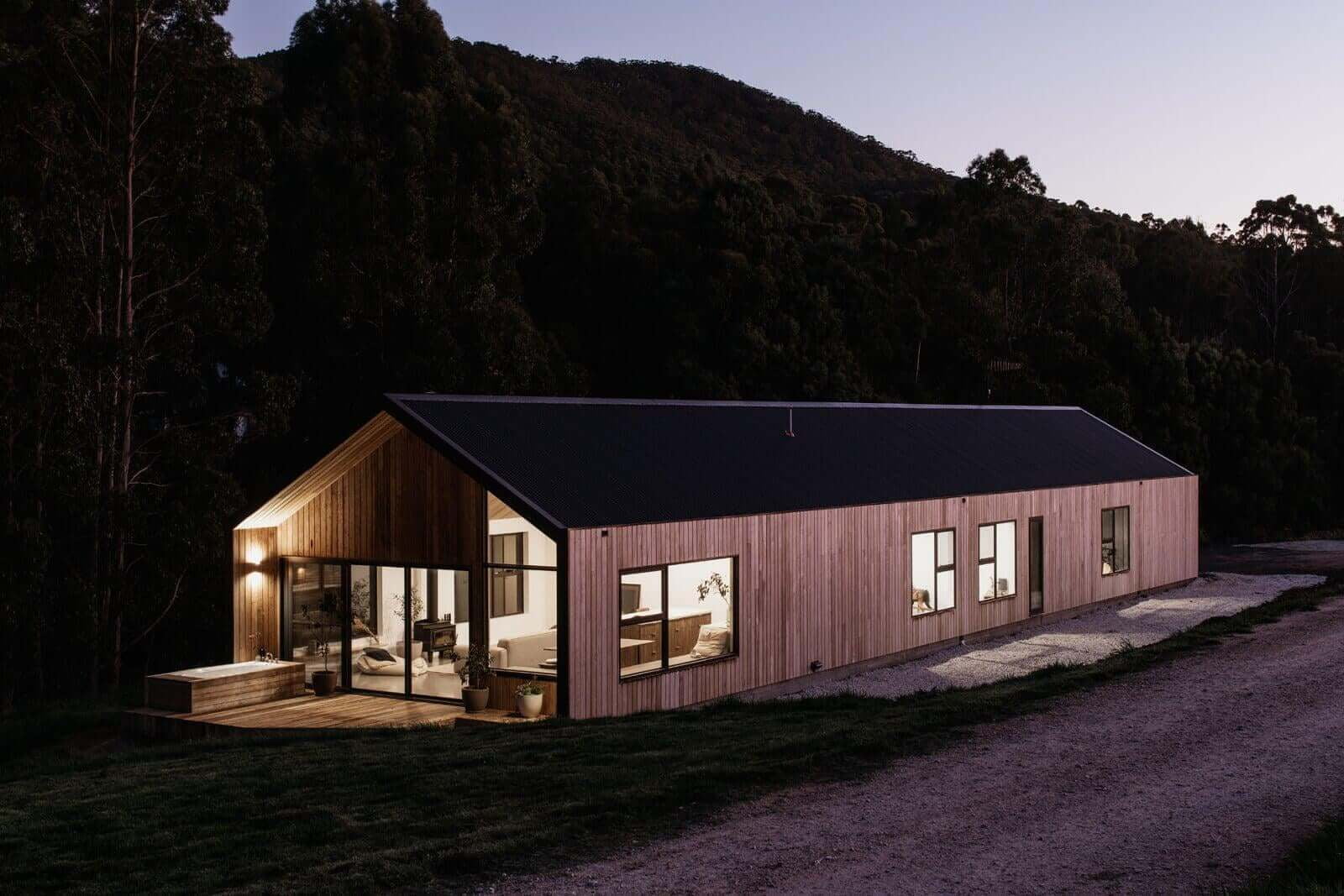
Why People Choose Wesley Vale
Devonport Airport on the Doorstep
Devonport Airport occupies the northern end of Wesley Vale and is the main airport for north-west Tasmania. Direct flights to Hobart, Melbourne and Sydney operate daily, giving Wesley Vale residents access to mainland connections that most rural Tasmanian communities simply don't have. For professionals who travel for work, this proximity is a genuine lifestyle advantage — fly out of Devonport, come home to a quieter rural setting within 10 minutes of the terminal.
Central to Two Destinations
Sitting exactly between Devonport (10 km west) and Port Sorell (10 km east), Wesley Vale occupies a genuinely useful position on the north coast. Devonport provides a full range of services — hospital, supermarkets, schools, Bass Strait ferry, and the commercial centre. Port Sorell and Shearwater offer the beach lifestyle and coastal community. From Wesley Vale, you have both within a 15-minute drive without the premium that comes with actually living in either.
Flat Land, Low Site Costs
Wesley Vale's flat to gently undulating coastal plain is one of the most builder-friendly terrains on the north-west coast. Unlike sloped blocks in Devonport's western hills or the ridgelines of Launceston's suburbs, flat coastal plain means predictable earthworks costs, simpler slab engineering, and straightforward driveway and infrastructure connections. For those seeking a custom home at a controlled budget, the terrain works in your favour here.
Rural Character, Genuine Space
Wesley Vale's agricultural setting delivers what suburban Devonport cannot: real space, low-density living, and a sense of countryside without being remote. The community sits on productive farmland with cattle grazing and market gardens on surrounding properties. Rural-residential lots give room for sheds, gardens, and the outdoor life that draws many families to the north-west in the first place — and the setting remains genuinely rural rather than a suburban estate that happens to be near paddocks.
North-Facing Coastal Plain
The flat north coast plain at Wesley Vale receives full winter sun with few shadowing obstructions. For high-performance home design — passive solar orientation, thermal mass, maximising winter warmth — this flat, north-facing terrain is optimal. Davies builds to high-performance principles including Passivhaus-informed design; in a location like Wesley Vale, where passive solar gain is unimpeded and the site works with the sun, the thermal performance advantages compound over the life of the building.
North Coast Access
Wesley Vale's position on the north coast puts residents within easy reach of the beaches and waterways that define north-west Tasmanian living. Shearwater Beach and Hawley Beach are 15 minutes east via Port Sorell Road. The Rubicon estuary and the calm waters of Port Sorell are accessible for kayaking, fishing, and sailing. For families choosing between inland and coastal living, Wesley Vale's position on the plain gives the rural feel without sacrificing coastal access.
What to Know About Building in Wesley Vale
Wesley Vale falls under Latrobe Municipality, which administers the Tasmanian Planning Scheme — Latrobe Local Provisions Schedule (commenced 10 May 2023, replacing the Latrobe Interim Planning Scheme 2013). Applications for building permits are lodged with and assessed by Latrobe Council. Here is what prospective builders need to understand about building in Wesley Vale:
- Most rural and rural-residential land in Wesley Vale is zoned Rural or Rural Living under the Latrobe LPS. Rural Living zoning specifies minimum lot sizes (typically in the range of 0.4–2 ha depending on the applicable overlay), building envelopes, setbacks from road frontages, and separation from productive agricultural land. Confirm the zone for any specific lot before purchasing — it determines what you can build and at what scale.
- Properties near Devonport Airport should check the Australian Noise Exposure Forecast (ANEF) contours — published by the federal Department of Infrastructure — as well as any aviation overlay in the Latrobe LPS. Residential buildings in higher noise-exposure contour zones may require acoustic treatment (double glazing, insulated ceilings) to achieve habitable amenity standards. This is standard builder practice in airport-adjacent areas and does not prevent building — it simply needs to be accounted for in the design.
- Reticulated sewerage may not be available across all of Wesley Vale. For properties outside the reticulated area, an Onsite Wastewater Management System (OWMS) — typically an Aerated Wastewater Treatment System (AWTS) — will be required. Budget $15,000–$30,000 for OWMS installation depending on soil permeability, site access, and system type. Confirm the sewerage infrastructure status for any specific allotment with Latrobe Council prior to purchase.
- The flat coastal plain character of Wesley Vale makes earthworks and slab construction straightforward compared to sloped north-west sites — a genuine cost advantage. However, flat coastal plain soils can include clay layers with differential movement characteristics. A geotechnical report (soil test) is standard practice for any new dwelling and will determine the slab design class required under AS 2870.
- Coastal proximity means north-west winds off Bass Strait affect the locality in winter. Davies specifies homes to handle the Tasmanian climate effectively: insulated walls and roofs, thermally broken windows, and airtight construction that reduces draughts from prevailing winds. In Wesley Vale, where the flat terrain provides no natural windbreak, high-performance construction delivers a noticeably more comfortable home.
- PlanBuild Tasmania provides a state-wide enquiry service for checking the planning zones and overlays that apply to any property. Use this tool to verify zone, overlays, and any site-specific constraints for a Wesley Vale lot before making a purchase commitment. Applications are lodged with Latrobe Council — not through PlanBuild.
A well-chosen, well-designed home on the Wesley Vale coastal plain — properly specified for the north coast climate and built to a high-performance standard — is a practical, comfortable, and genuinely affordable base for north-west Tasmanian living.
Davies Projects in the Region
Our portfolio spans the Latrobe corridor and north-west coast — coastal homes, rural-residential builds, and custom projects designed for the north coast environment.
Wesley Vale Building FAQ
What is Wesley Vale like to live in?+
How much does it cost to build in Wesley Vale?+
What are the planning requirements for building in Wesley Vale?+
Does Davies Construction build in Wesley Vale?+
Also building in
North-West Coast & Hinterland
Tamar Valley & Launceston
Midlands & East Coast
Southern Tasmania