

Building in East Devonport
Coastal suburb of 4,384 residents on the eastern Mersey River bank — Spirit of Tasmania gateway and home to the $240M Spirit Quay waterfront redevelopment.
Gateway, River, and Headland
East Devonport is a coastal suburb of approximately 4,384 residents (ABS 2021) on the eastern bank of the Mersey River, directly across from Devonport's CBD. The median age is 44. It is the home of the Spirit of Tasmania terminal — the ferry connection between Tasmania and mainland Australia used by hundreds of thousands of passengers annually — and is now the focus of the $240M Devonport East Redevelopment, known as Spirit Quay: a mixed-use waterfront precinct of hotels, restaurants, retail, and public open space expected to open in late 2026 or 2027.
The suburb predates Devonport itself. Originally named Torquay — an allusion to the Devon coastal town in England — the settlement on the eastern bank of the Mersey was established before the western side was formally gazetted as a township. The Torquay Heritage Trail, a 4-kilometre walking trail opened on 18 May 2023, connects key heritage sites along the foreshore and township, including early buildings, maritime infrastructure, and river-facing reserves.
At the northern end of East Devonport is Mersey Bluff — a headland with a working lighthouse, ANZAC Park, children's play facilities, and direct Bass Strait views. The Bluff is the defining geographical feature of the suburb and is the focus of both recreation and heritage tourism. Residential streets in East Devonport slope gradually from the Bluff southward toward the Mersey riverbank, with the best north-facing blocks positioned to capture both water views and winter sun. The combination of heritage character, active waterfront transformation, and headland amenity makes East Devonport one of the more dynamic residential markets on the Mersey River.
Davies has been building across the Devonport municipality and the broader north-west coast since 2009. East Devonport is approximately 25–30 minutes from our Sheffield base — well within our core service area. We understand the council planning processes, the coastal construction requirements, and the practical realities of building in a suburb that is actively changing.
Why People Choose East Devonport
Spirit of Tasmania Terminal
East Devonport is the arrival and departure point for the Spirit of Tasmania ferry. The terminal is a significant piece of infrastructure that shapes the suburb's character, supports tourism employment, and underpins the $240M Spirit Quay redevelopment now under construction. Being adjacent to a nationally significant transport gateway has a long-term effect on surrounding residential values.
$240M Spirit Quay Redevelopment
The Devonport East Redevelopment project — Spirit Quay — is a $240M mixed-use precinct of hotels, restaurants, retail outlets, and public waterfront open space expected to open in late 2026 or 2027. This is one of the largest waterfront investments in north-west Tasmania's history and will transform the strip adjacent to the ferry terminal into a year-round destination.
Mersey Bluff and Foreshore
Mersey Bluff at the northern tip of East Devonport is a headland with a working lighthouse, ANZAC Park, children's play facilities, and rocky foreshore with direct Bass Strait views. The 4-kilometre Torquay Heritage Trail opened in May 2023 connects the Bluff to key heritage sites along the eastern river bank, providing a new active recreation corridor for residents.
Across the River from Devonport CBD
East Devonport sits directly across the Mersey River from Devonport's CBD, entertainment centre, and hospital. The Bass Highway river crossing makes the drive quick. The suburb benefits from the full service infrastructure of a regional city without the density of the CBD itself — it's a practical position for families who value convenience alongside coastal amenity.
Established Heritage Character
Originally named Torquay, East Devonport has a genuine historical identity separate from its neighbour across the river. The Torquay Heritage Trail connects early maritime buildings, river infrastructure, and foreshore reserves — a reminder that this was a working riverine settlement long before Devonport was gazetted. Owner-occupancy is approximately 68%, reflecting a stable community base.
Coastal Passive Solar Opportunity
North-facing blocks on East Devonport's slopes, particularly those with clear northern aspects between the Bluff and the riverfront, offer genuine passive solar potential. A well-oriented, well-insulated home here — capturing winter sun while managing Bass Strait wind exposure — can achieve year-round thermal comfort with low energy input. This is where good design makes a measurable difference.
What to Know About Building in East Devonport
East Devonport falls under Devonport City Council, which administers the Tasmanian Planning Scheme — Devonport City Local Provisions Schedule (commenced 18 November 2020). Applications are lodged with and assessed by Devonport City Council. Here's what prospective builders need to understand:
- Coastal and riverine overlays apply to foreshore-adjacent properties. Sites near Mersey Bluff and along the Mersey River bank may be subject to Coastal Erosion Hazard, Coastal Inundation Hazard, and Flood Prone Area overlays under the State Planning Provisions. These specify minimum setbacks, minimum finished floor levels, and may require a Coastal Hazard Assessment as part of the development application. Check the specific overlays via PlanBuild Tasmania before purchasing any foreshore-adjacent lot.
- Standard residential properties set back from the foreshore and river are subject to residential zone requirements and generally have a straightforward planning pathway. The Devonport City LPS has been in place since late 2020 — the planning team is experienced with the scheme and assessments are relatively predictable for standard residential applications.
- Most residential streets in East Devonport are connected to reticulated sewerage and town water. Confirm infrastructure status for any specific lot with Devonport City Council before purchase — corner lots near the Bluff or along the foreshore edge may have different servicing.
- Coastal construction specification matters for any property within wind and salt-spray exposure distance of Bass Strait or the Mersey estuary. Marine-grade fixings, corrosion-resistant hardware, wind-rated glazing, and UV-stable cladding systems are standard requirements for a well-built coastal home. Specifying correctly upfront avoids costly remediation within 10–15 years.
- The Spirit Quay redevelopment — currently under construction — will change the character of the waterfront precinct adjacent to the ferry terminal. Properties within this catchment zone are likely to see changed traffic patterns, additional tourism activity, and potentially new amenity as the precinct opens. Factor the transition period into any timeline for construction near the terminal area.
- Davies has been building across the Devonport municipality and north-west coast since 2009. East Devonport is approximately 25–30 minutes from our Sheffield base. We understand the planning environment, the coastal specification requirements, and what a well-designed home in this location can achieve.
A well-positioned block in East Devonport — north-facing, set back appropriately from the foreshore, and built to a proper coastal standard — is a long-term asset. The combination of heritage character, active waterfront investment, and Devonport city access positions this suburb well for the decade ahead.
Davies Projects in the Region
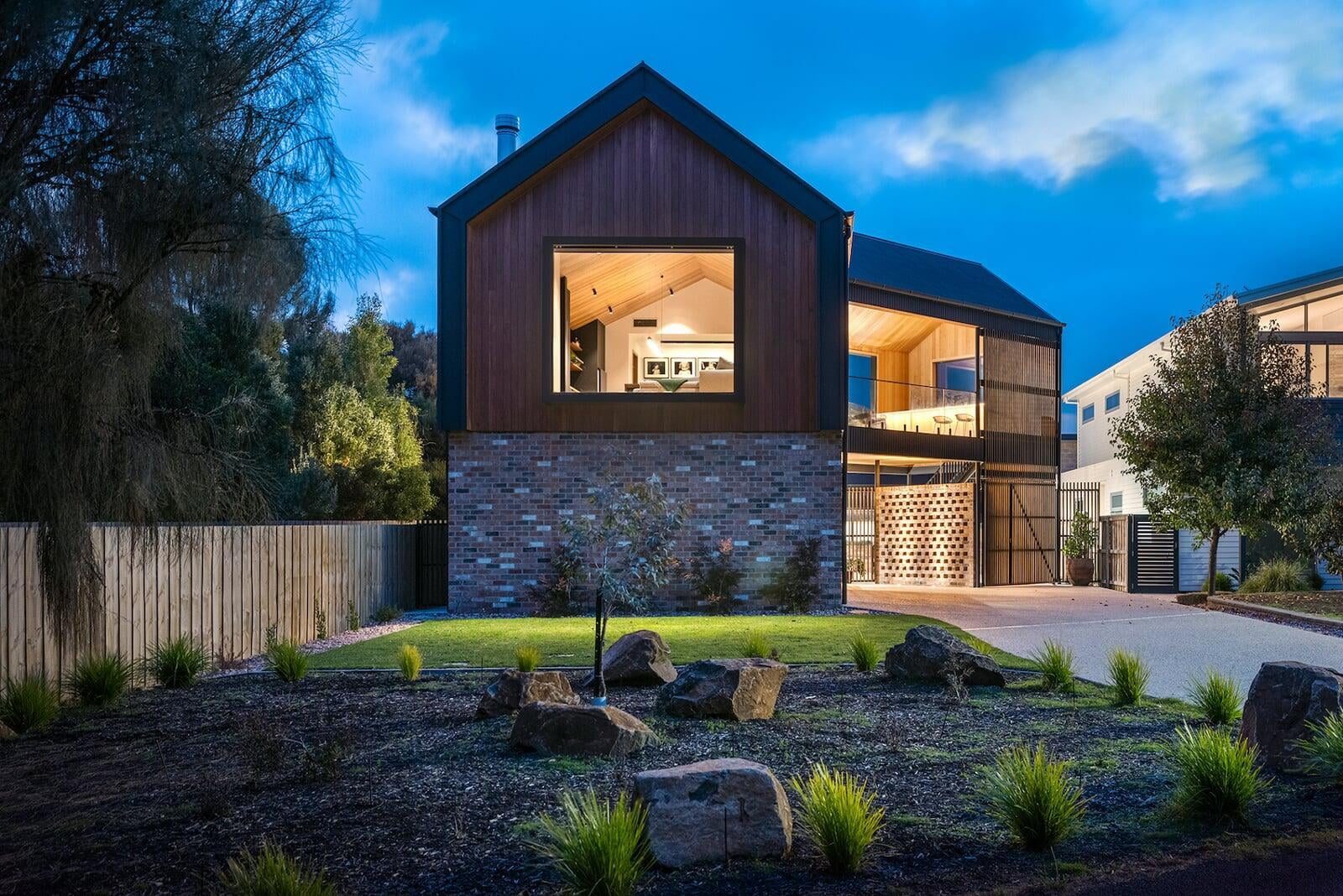
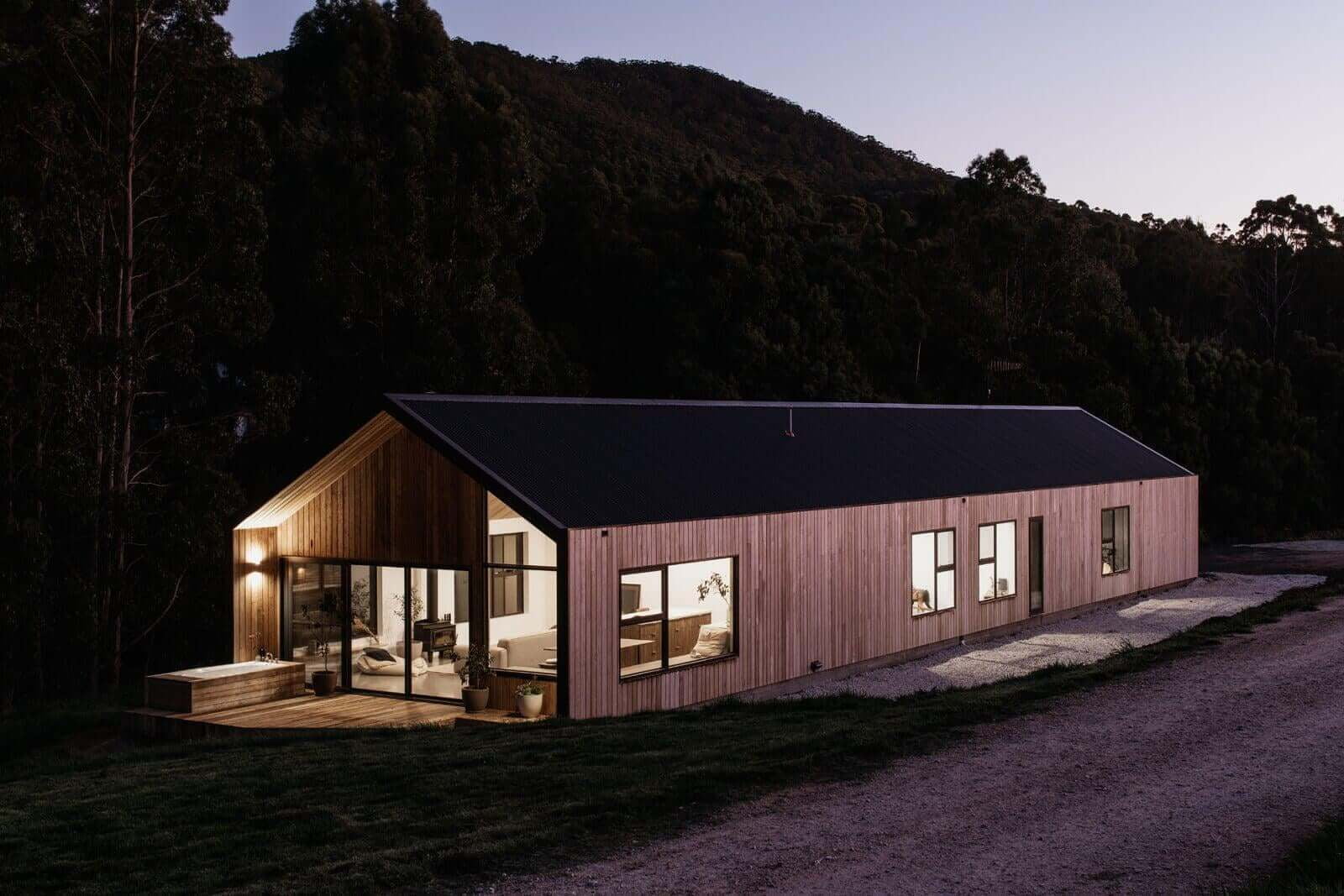
Our portfolio spans the Mersey River corridor and north-west coast — coastal homes, riverfront builds, and custom projects designed for the local climate and landscape.
East Devonport Building FAQ
What is East Devonport like to live in?+
How much does it cost to build in East Devonport?+
What are the planning requirements for building in East Devonport?+
Does Davies Construction build in East Devonport?+
Also building in
North-West Coast & Hinterland
Tamar Valley & Launceston
Midlands & East Coast
Southern Tasmania