

Building in Carrick
Tasmania's most intact heritage village — a colonial Meander Valley town of 720 residents, 35 minutes from Sheffield, surrounded by pastoral farmland.
Colonial Tasmania, Preserved
Carrick is 17 kilometres west of Launceston on the Meander Valley Highway, sitting on the Liffey River in quiet pastoral country. It is, by design and by preservation, one of Tasmania's most intact colonial villages. Fifteen buildings are listed on the Tasmanian Heritage Register — the Monds Roller Mill (1846), St Andrew's Church (1848), the Old Watch House (1837), the Carrick Hotel (1833), and Carrick House (1840) among them. That concentration of heritage on a main street of around 720 residents is exceptional.
The village has remained largely unchanged because there has been relatively little development pressure. Meander Valley Council has a deliberate strategy to keep Carrick small and distinct — avoiding the coalescence with Hadspen and Launceston that has absorbed so many other Tasmanian villages along major corridors. The council's Draft Carrick Structure Plan 2026–2046 continues this approach, planning for limited infill development only.
For home builders, Carrick's appeal is its character. Those who build here are choosing a heritage village over a subdivision estate — and that's a deliberate, considered choice. The Meander Valley, cool-climate viticulture country, and the Bass Highway are all close; Launceston is 20 minutes east. The trade-off is that development opportunities are limited and heritage-sensitive design is essential.
Carrick is also within our core service area — roughly 35 minutes from our Sheffield base. We've been building in the Meander Valley since 2009, and we understand what heritage-sympathetic construction means in practice: it's not about imitation, but about respect for scale, materials, and streetscape.
Why People Choose Carrick
15 Heritage-Listed Buildings
Carrick's concentration of Tasmanian Heritage Register-listed buildings — including the 1846 Monds Roller Mill, the 1833 Carrick Hotel, and three other buildings predating 1840 — gives it a physical depth of history that few Tasmanian villages can match. Living here means living in genuine colonial Tasmania.
Mature Village Character
The lack of significant development over recent decades means Carrick retains its mature tree canopy, colonial-scale streetscapes, and village proportions. Meander Valley Council's deliberate slow-growth strategy has protected this character for future residents.
Meander Valley Wine Country
Carrick sits in the heart of cool-climate wine and agricultural country. Wineries, orchards, and small farms characterise the broader Meander Valley landscape — a region known for premium produce and a relaxed, rural-gourmet lifestyle.
20 Minutes to Launceston
Launceston is 17 kilometres east — a 20-minute drive. The city's hospitals, universities, shopping, and services are close enough to use regularly, while Carrick itself remains genuinely village-scale. The Meander Valley Highway provides easy access in either direction.
Genuine Community Events
Carrick hosts Agfest, one of Tasmania's largest agricultural field days, drawing tens of thousands of visitors annually. Trotting races, cycling events, and heritage precinct activities give the town an active event calendar that belies its small size.
Limited, Valued Land
Meander Valley Council's structure plan caps development at roughly 60 additional homes within Carrick's current boundary. This scarcity — by design — means that a well-built home on a Carrick allotment is a considered, long-term investment in a deliberately preserved place.
What to Know About Building in Carrick
Carrick falls under Meander Valley Council, which administers the Tasmanian Planning Scheme — Meander Valley Local Provisions Schedule (commenced 19 April 2021). Applications are lodged with and assessed by the council. Here's what prospective builders need to understand:
- Heritage overlays are comprehensive in Carrick. The council's planning policies require that new development respects the heritage character of the town — not by replicating colonial styles, but by ensuring scale, materials, and setbacks are contextually appropriate. A conversation with Meander Valley Council's planning team early in the design process is strongly recommended.
- Development opportunities in Carrick are intentionally limited. Council's structure plan allows for approximately 60 additional dwellings within the existing boundary — infill only, no greenfield expansion. This means land availability is constrained; when allotments become available, they're worth acting on.
- Sewerage infrastructure constrains the development boundary. Not all potential sites within the village are connected to town sewerage, which can affect what can be built and at what cost. Check the servicing status of any allotment you're considering.
- The Meander Valley climate is temperate-to-cool: cold winters with frosts common from April to October, warm summers. Our high-performance thermal envelopes — super-insulated, airtight, north-facing passive solar — are perfectly suited to this climate and deliver genuine thermal comfort with minimal running costs.
- Carrick is 35 minutes from our Sheffield base via the Bass Highway and Deloraine Road. We've been building in the Meander Valley since 2009 and have well-established relationships with local council planning officers, trades, and suppliers across the region.
Building in Carrick is not for everyone — the heritage context is real, the development constraints are real, and the right builder needs to understand both. Davies has been working in heritage-sensitive environments across the Meander Valley and beyond since 2009. If you have a site in Carrick and want an honest assessment of what's achievable, Davies Design & Construction would welcome the conversation.
Davies Projects in the Region
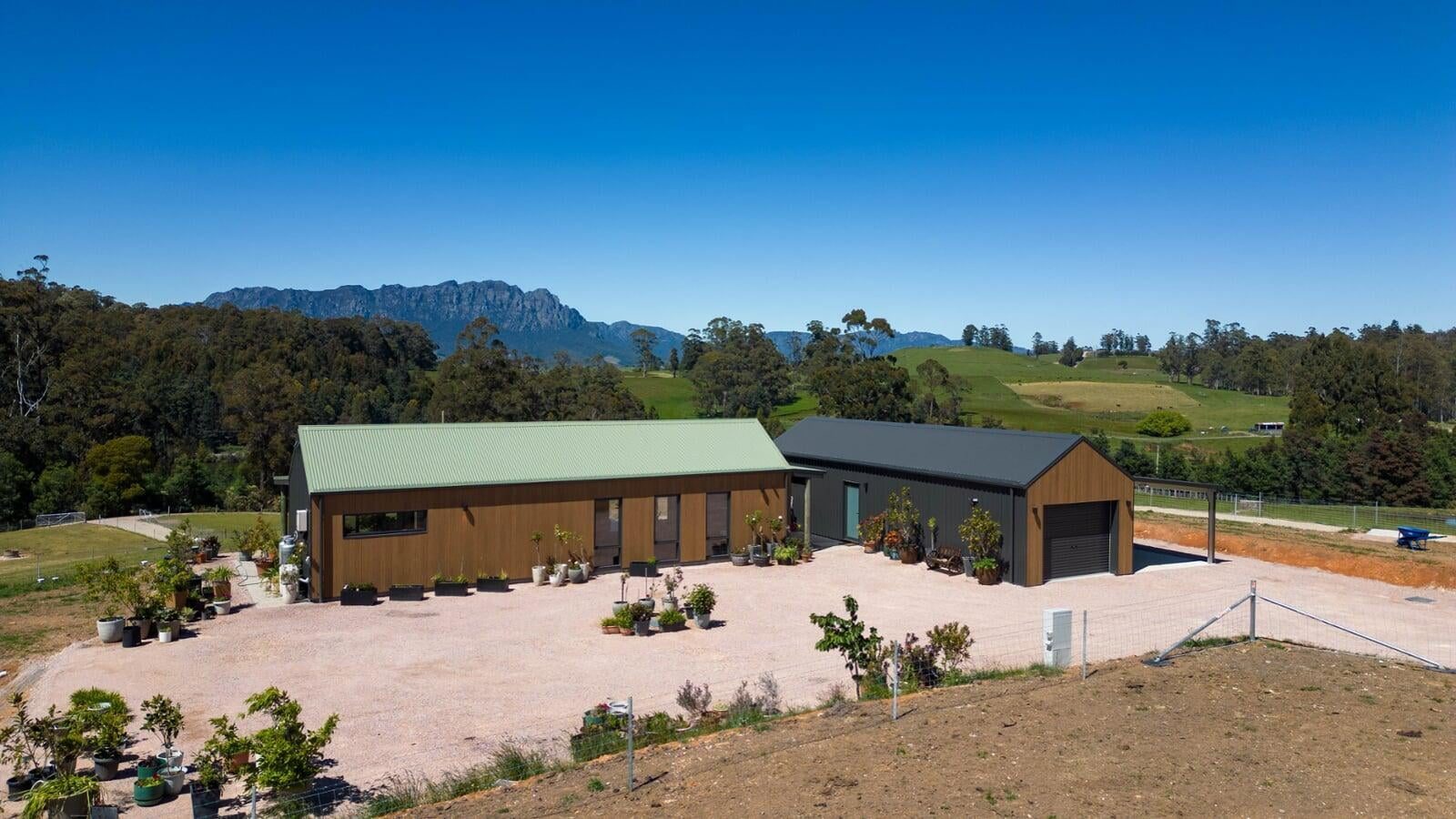
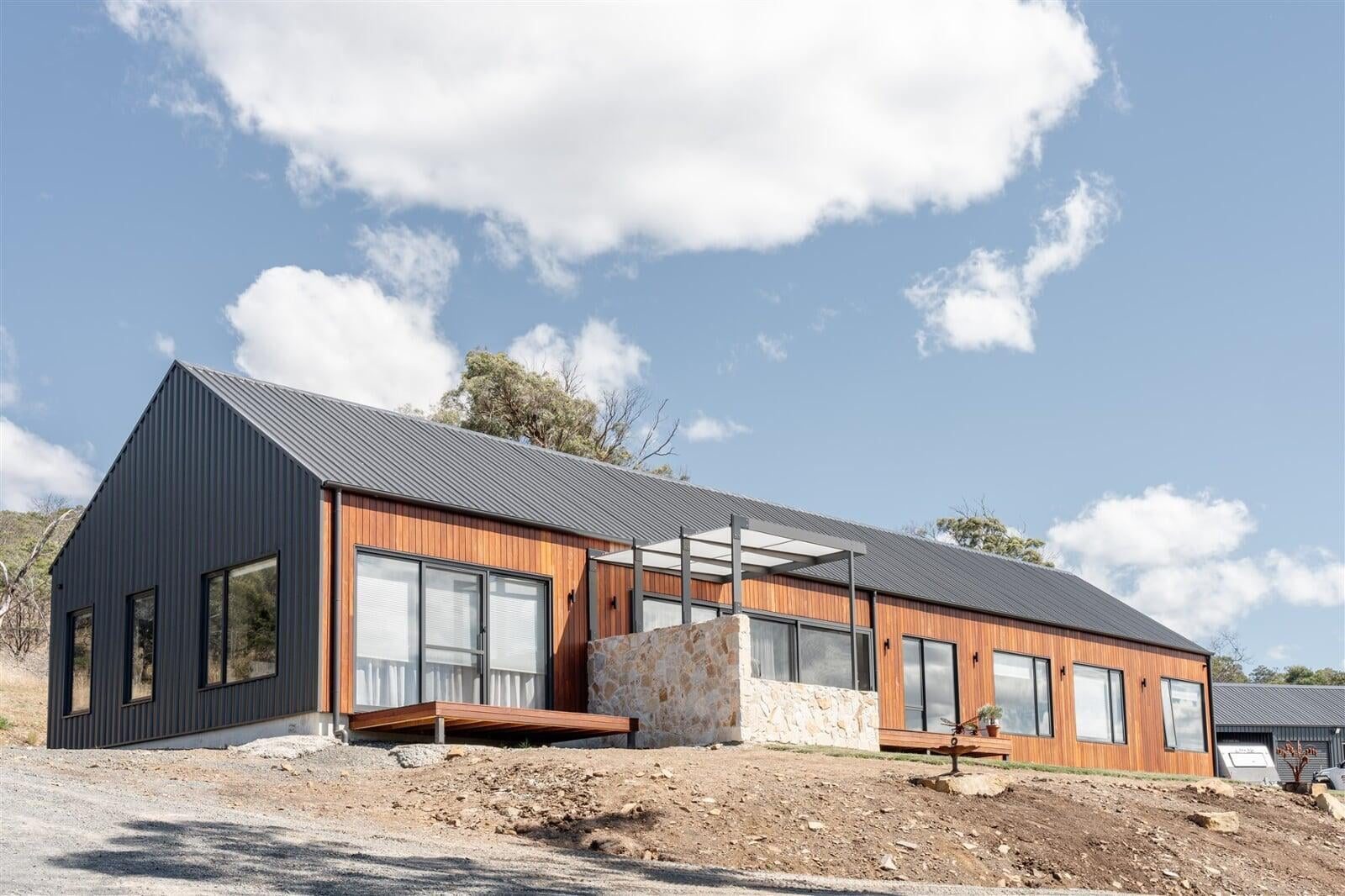
Our portfolio spans the Meander Valley and the wider north and north-west of Tasmania — each project a demonstration of what's possible when design rigour meets careful construction.
Carrick Building FAQ
What is Carrick like to live in?+
How much does it cost to build in Carrick?+
What are the planning requirements for building in Carrick?+
Does Davies Construction build in Carrick?+
Also building in
North-West Coast & Hinterland
Tamar Valley & Launceston
Midlands & East Coast
Southern Tasmania