
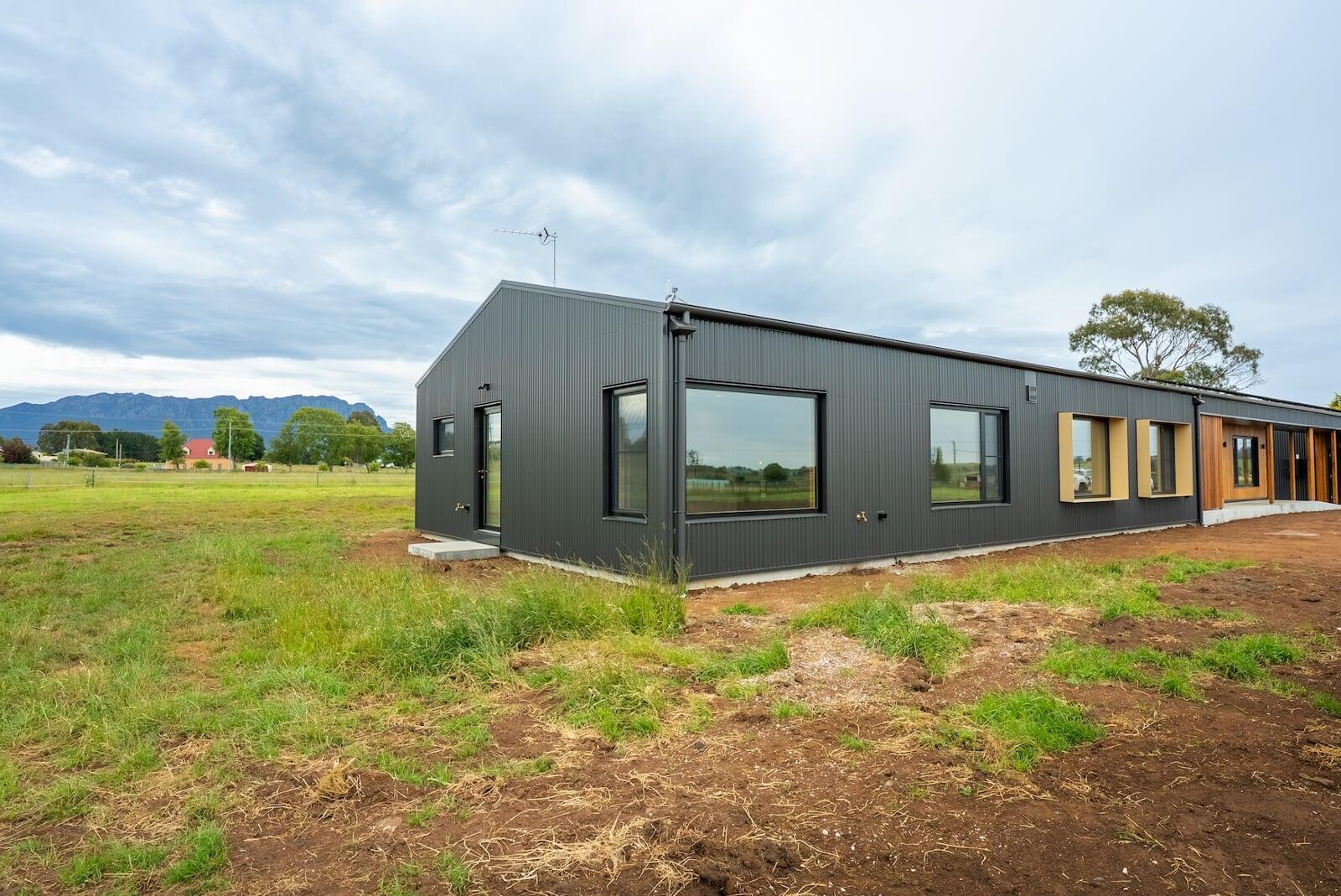
Lean Construction
How the Toyota Production System transformed the way we build homes — and why it matters for yours.
What Is Lean Construction?
Lean construction is an approach to building that originated from the Toyota Production System (TPS) — the manufacturing philosophy that transformed Toyota from a small Japanese car maker into the world's most efficient and reliable automotive manufacturer.
The core idea is deceptively simple: maximise value for the client while minimising waste. "Waste" doesn't just mean skip bins full of offcuts — it means any activity that consumes time, money, or resources without adding value to the finished home.
In traditional construction, waste is everywhere: tradies waiting for materials that haven't arrived, work being done out of sequence, mistakes that require rework, information that gets lost between the office and the site. Studies consistently show that in conventional building, only 30–40% of total effort directly adds value. The rest is waste.
Lean construction flips this equation. By systematically identifying and eliminating waste, we ensure that more of your investment goes into your actual home — not into inefficiency, delays, and rework.
At Davies, lean isn't a buzzword we put on our website. It's the operating system that runs every project. Our processes are so effective that through Future Builder Co, we teach lean construction methods to builders across Australia.
From Toyota to Your Home
In the 1950s, Toyota was a struggling car company that couldn't compete with the mass-production efficiency of Ford and GM. They couldn't afford to stockpile parts or tolerate defects, so they developed a radically different approach: build only what's needed, when it's needed, to the highest quality — with zero waste.
The results were extraordinary. Toyota became the world's most profitable car maker, known for vehicles that were more reliable, more efficient, and better value than anything competitors could produce.
In the 1990s, researchers at MIT studied Toyota's methods and coined the term "lean." The principles spread to healthcare, aerospace, software development — and eventually, construction.
Building a custom home shares remarkable parallels with manufacturing: complex sequences of work, multiple specialists, quality-critical processes, and a client who expects a finished product that's right the first time. Lean construction applies Toyota's proven principles to make that happen.
The Five Principles of Lean
Lean construction is built on five interconnected principles. Together, they create a system that consistently delivers better homes with less waste, less stress, and greater certainty.
Define Value from the Client's Perspective
In lean thinking, 'value' is defined by you — the homeowner — not by the builder. Every activity on your project should contribute to something you'd willingly pay for. If it doesn't add value to your home, we question why we're doing it.
Map the Value Stream
We map every step of the build process from design to handover and identify which steps add value and which are waste. This visual mapping reveals hidden inefficiencies that traditional builders never see — unnecessary material handling, waiting time, rework loops.
Create Flow
Instead of starting and stopping constantly (the way most building sites operate), lean construction creates a smooth, continuous flow of work. When one trade finishes, the next begins immediately. No gaps, no bottlenecks, no tradies standing around waiting.
Establish Pull (Not Push)
Traditional building pushes materials and trades onto site based on a rigid schedule. Lean construction pulls work forward only when the previous step is complete and quality-checked. This prevents pile-ups, reduces waste, and ensures every step is done right before moving on.
Pursue Perfection Through Continuous Improvement
Lean is never 'finished.' After every project, we review what worked, what didn't, and what we can do better next time. This culture of kaizen (continuous improvement) means every Davies home benefits from the lessons of every home before it.
The Wastes of Construction
Toyota identified eight categories of waste. In construction, they look like this — and here's how we address each one.
Waiting
The problem: Trades waiting for materials, approvals, or the previous trade to finish.
Our approach: We sequence work so trades arrive exactly when needed — no idle time on site.
Overprocessing
The problem: Doing more work than the specification requires, or redoing work to a different standard.
Our approach: Clear specifications and quality standards agreed upfront — right first time.
Overproduction
The problem: Ordering too many materials 'just in case' or building ahead of quality checks.
Our approach: We order precisely what's needed and build in the right sequence.
Defects & Rework
The problem: Fixing mistakes after the fact — the most expensive form of waste.
Our approach: Quality checks at every stage. Problems caught early cost a fraction to fix.
Unnecessary Transport
The problem: Moving materials multiple times around site before they're installed.
Our approach: Materials delivered directly to the point of use, at the right time.
Unused Talent
The problem: Skilled tradespeople doing tasks below their capability.
Our approach: Everyone works at the top of their skill set. Apprentices learn, masters lead.
What Lean Construction Means for You
You don't need to understand lean theory to benefit from it. Here's what it means in practice when you build with Davies.
Faster Build Times
By eliminating waste and creating flow, lean-built homes are completed faster — not through rushing, but through the systematic removal of delays, rework, and inefficiency.
Better Cost Certainty
Waste is cost. When you eliminate waste, you eliminate the budget blowouts that plague the construction industry. Our fixed-price contracts are possible because lean processes give us genuine cost control.
Higher Quality
Lean construction builds quality in at every stage rather than inspecting for defects at the end. When every step is done right the first time, the finished home reflects that precision throughout.
Greater Transparency
Lean systems make the build process visible. You can see where your project is, what's coming next, and how decisions affect the timeline and budget. No surprises, no guesswork.
Lean vs. Traditional Construction
| Aspect | Traditional Builder | Lean Builder (Davies) |
|---|---|---|
| Planning | Rough schedule, adjusted as problems arise | Detailed pull planning with all trades involved upfront |
| Materials | Bulk ordered early, stored on site | Just-in-time delivery to point of use |
| Quality | Inspected at completion, defects fixed after | Built in at every stage, right first time |
| Communication | Phone calls, informal updates | Visual management boards, structured daily huddles |
| Budget | Variations and cost overruns common | Fixed-price contracts backed by waste elimination |
| Site | Cluttered, disorganised | Clean, organised, 5S methodology applied |
We Teach What We Practice
Our lean processes are so effective that Luke Davies co-founded Future Builder Co — Australia's leading education platform for construction professionals — to teach these methods to builders across the country.
Over 100 builders have been coached in lean construction principles through Future Builder, transforming how they plan, build, and deliver projects. The fact that other builders pay to learn our systems should give you confidence that when you build with Davies, you're getting the real thing — not a watered-down version.
- 100+ builders coached across Australia
- Lean systems developed over 15+ years of refinement
- The same processes we teach are the ones we use on your home