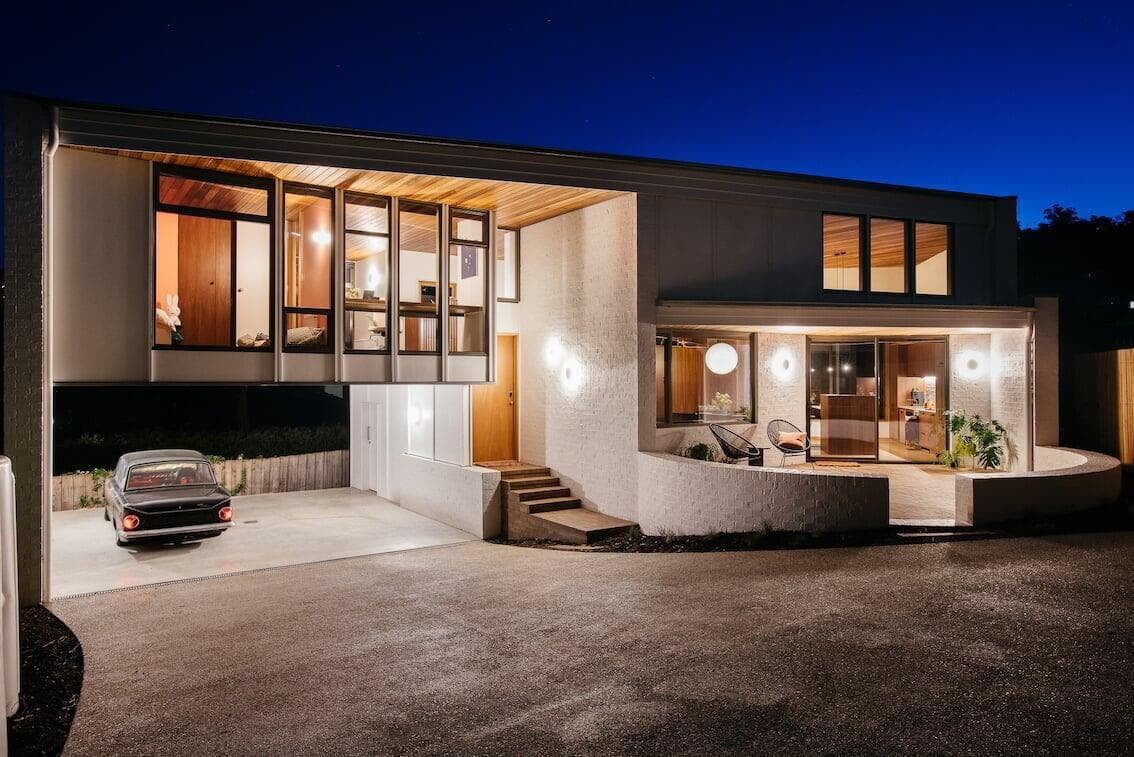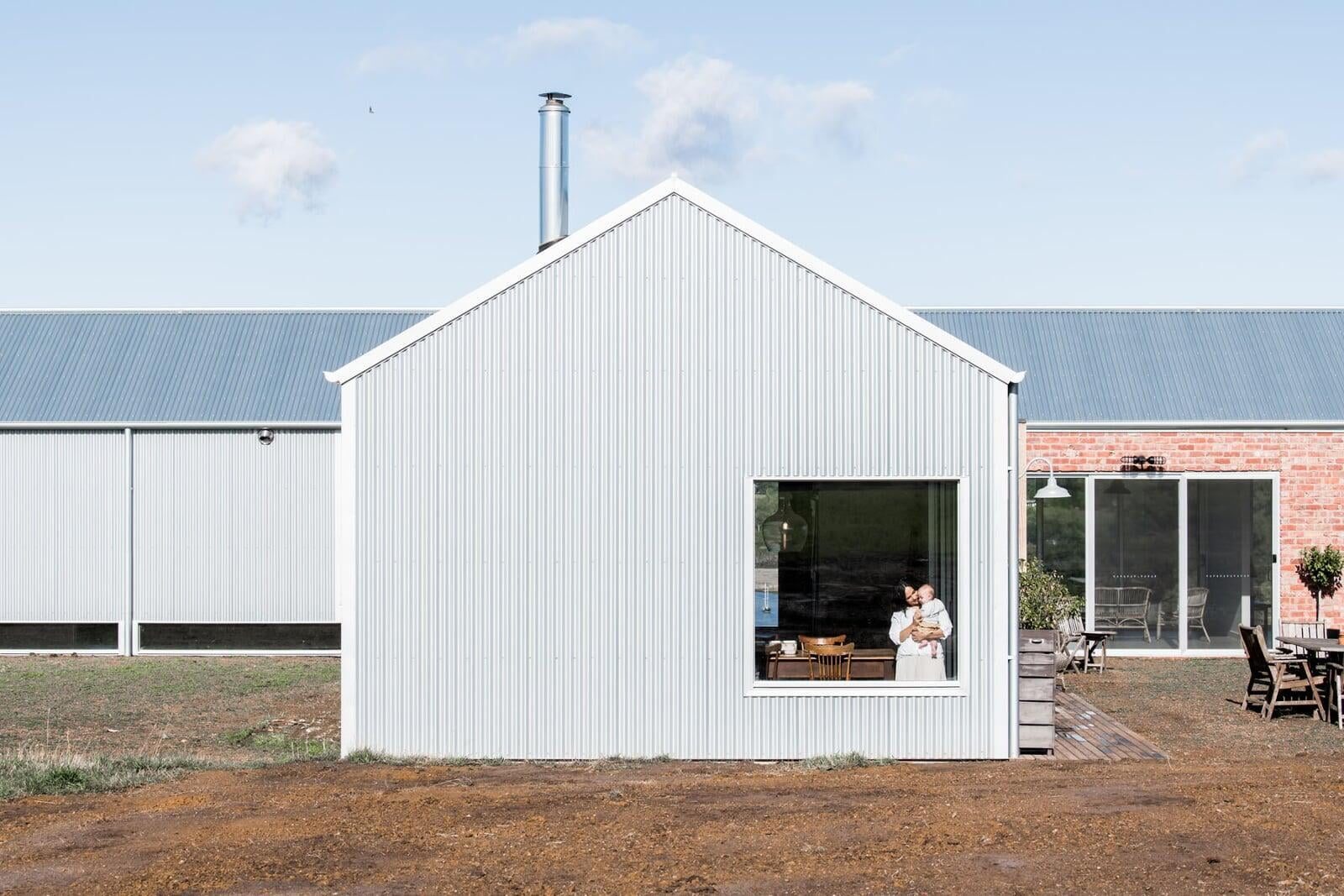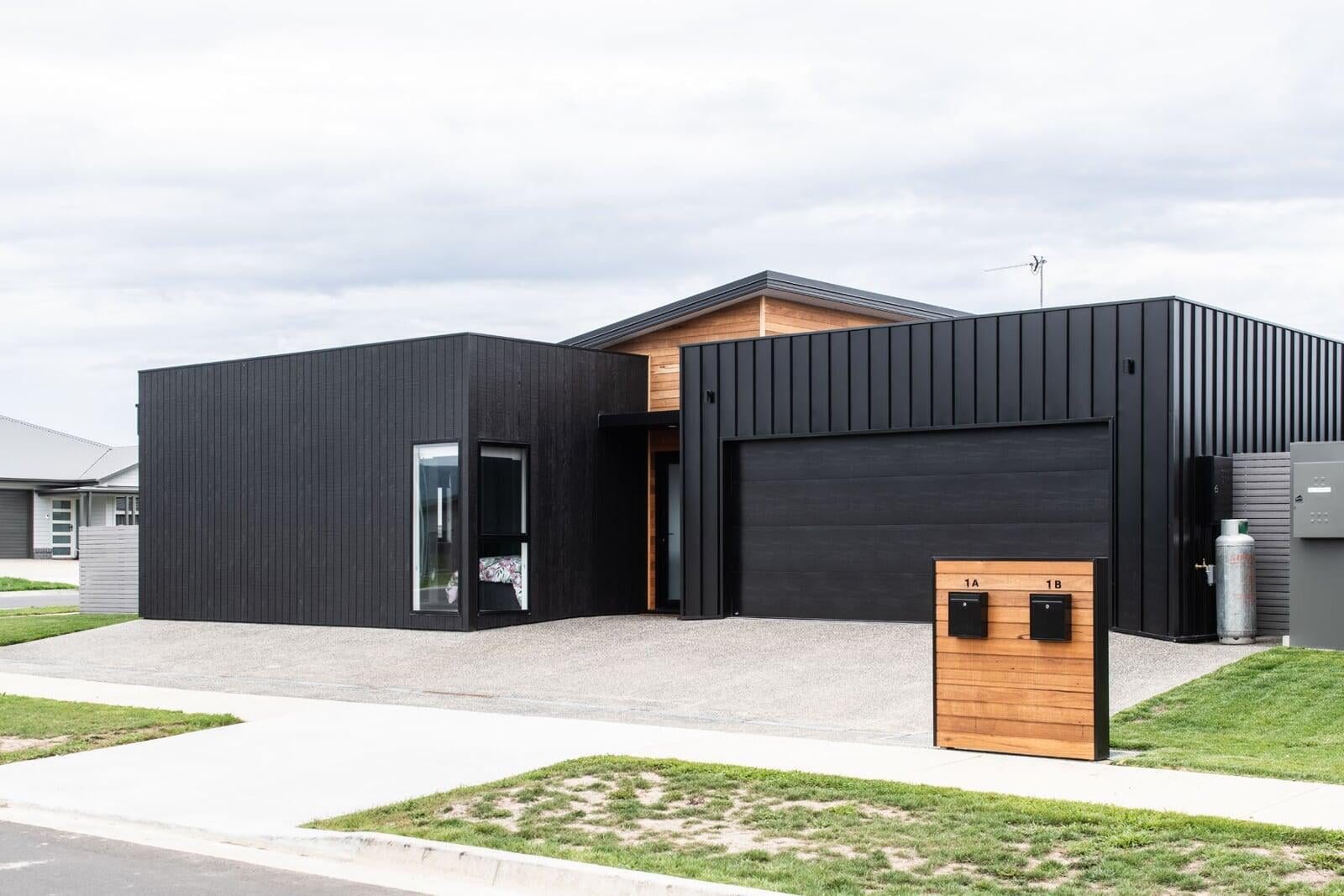
The short answer: for people building a custom home they intend to live in for decades, now is a reasonable time to build in Tasmania — with a few important caveats. Interest rates are elevated, construction costs are still rising, and the labour market is tight. But those same factors mean waiting is unlikely to make the arithmetic easier. Here's how to think through the timing question clearly.
The Interest Rate Question
The Reserve Bank of Australia held the cash rate at 4.35% at its June 2026 meeting — a pause after three consecutive increases totalling 0.75 percentage points since February. Governor Bullock was clear: this is a pause, not a pivot. No board member considered a cut, and markets are pricing roughly even odds of another rise later in 2026.
For home builders, this matters for finance costs — but less than many assume. Custom home builds in Tasmania typically run 18–24 months from first serious enquiry to move-in. By the time you've completed pre-construction (design, pricing, permits) and begun construction, the rate environment may look meaningfully different. Building for a home you'll own for 20–40 years, the difference between a 4.35% and a 3.85% rate is material — but not a reason to pause a project that otherwise makes sense.
More practically: the people who wait for rates to fall often find that prices rise faster than their rate savings. This has been the pattern in every rate cycle of the past two decades.
Construction Costs Are Still Rising — and Likely Will Continue
This is the argument most builders quietly make but rarely say publicly: build costs are not coming down. Industry data shows construction cost escalation running at 4–6% annually in 2026, driven by a structural skilled labour shortage (estimates put the national shortfall at 300,000 workers by 2027), ongoing material cost pressures, and sustained infrastructure pipeline demand competing for the same trades.
Supply chains have improved materially compared to 2022–2024 — lead times on engineered timber, windows, and electrical components are much more predictable now. But this isn't reducing prices; it's reducing uncertainty, which is a different thing. The cost floor is higher, and there's no credible mechanism for it to reset downward in the near term.
What this means practically: a home priced at $1.2M today may cost $1.27–1.32M if you wait 18 months. That $70–120K difference often exceeds any interest rate savings from waiting. And it's a real cost, not a paper one — the trades, materials, and overheads are all priced at the time of construction, not the time of enquiry.
Tasmania's Building Amendment Bill 2026, passed in April, gives the state government power to pause future National Construction Code changes — specifically to avoid additional cost and regulatory complexity being mandated before the sector is ready to absorb it. This is a deliberate signal: policymakers are aware that further code changes risk worsening affordability, and are trying to manage the pipeline. It won't freeze costs, but it may slow the escalation from new compliance requirements.
Tasmania-Specific Factors in 2026
Tasmania's housing situation has its own dynamics, separate from mainland markets. Key factors as at mid-2026:
- 1The Commonwealth and Tasmanian governments have committed $165 million to deliver up to 4,000 new homes, including 2,101 reserved for first home buyers. Enabling infrastructure is being delivered in Brighton, Sorell, and the Meander Valley. This represents a genuine supply increase — but it takes time to hit the market.
- 2Building approvals data shows Queensland-style volatility: a 20% dip in November 2025 was followed by quarterly growth of 13.3% in the following period, 5.3% above the same time last year. The underlying trend is positive but lumpy.
- 3Land prices in northern and north-western Tasmania remain significantly more affordable than the mainland. This is the core of the Tasmania value proposition: build costs are roughly equivalent, but you're starting from a much lower land price base.
- 4Tasmania's First Home Owner Grant is $20,000 for new build contracts signed from 1 July 2026, confirmed under the 2026–27 State Budget. The grant is reduced from the $30,000 boosted rate that applied before that date, but remains a meaningful contribution for eligible first home buyers — well above the $10,000 standard rate that otherwise would have applied.
When Waiting Does Make Sense
Timing arguments for building aren't unlimited. There are legitimate reasons to wait:
- 1Your finances aren't ready. Building while stretched thin creates pressure that affects decision-making throughout the project — particularly at the points where unexpected site conditions or design changes require budget flexibility.
- 2You haven't done the design work. Custom home building is front-loaded: the more effort you invest in pre-construction (needs analysis, brief, design, detailing), the better the outcome and the fewer surprises during construction. Rushing the design to 'lock in today's price' is a common mistake.
- 3You're still sorting out land or location. Building on the wrong site or in the wrong location for your life stage is a mistake no timing advantage can fix.
- 4You're expecting to sell within five years. Custom homes take time to deliver their full value — both financially and in terms of the lifestyle they enable. Short holding periods reduce the case for building versus buying.
The Difference Between Custom and Volume Builders
Much of the "wait for the market" conversation applies to volume builders offering fixed product from a catalogue. A custom builder like Davies is different in two ways:
First, the pre-construction phase is genuinely separate from construction. You can begin the design and pricing process — getting a feasibility estimate in a couple of days and a detailed budget estimate within about a week — and lock in design intent before market conditions force a decision. This means you're not "starting a build" the moment you pick up the phone; you're beginning a process that will take 12–18 months to reach construction anyway.
Second, a custom home is priced at the point of contract, not enquiry. The goal of pre-construction is to arrive at contract with full design documentation and accurate pricing — so you know exactly what you're committing to, and there are no surprises after the contract is signed. If rates have moved favourably by the time you reach contract, you benefit. If not, you've built exactly the home you wanted at a price you fully understood.
For more on how Davies structures this, see our building process and our feasibility assessment pages.
What We're Seeing in Northern Tasmania
From our Sheffield base, we build across the north-west coast corridor — Devonport, Burnie, Ulverstone, Port Sorell, Shearwater, and surrounding towns — and across to Launceston. The enquiry pattern in this corridor in mid-2026 is solid. People are building, not waiting. The projects completing now were contracted in late 2024 and through 2025, when the rate and cost picture looked similar to today.
Land in towns like Latrobe, Legana, Spreyton, Turners Beach, and Hadspen — all within our service area — continues to offer genuine value compared to equivalent positions on the mainland. That land value gap is the strongest argument for building in Tasmania in 2026: you're accessing construction quality that can compete with anywhere in Australia, on land that costs a fraction of comparable coastal or peri-urban positions elsewhere.
For a detailed breakdown of what custom homes cost in this region, see our 2026 cost to build guide and the full cost guide.
The Honest Bottom Line
There is no perfect time to build a house. There are better-prepared and worse-prepared projects, better-designed and worse-designed homes, and builders who are better equipped than others to deliver in the conditions of the moment. The market timing question is real but secondary to these factors.
If you have the site, the financial readiness, and a clear sense of how you want to live — the case for starting pre-construction now is strong. Costs are unlikely to be lower in 12 months, and the pre-construction process itself takes time that, once invested, is not wasted regardless of when you ultimately build.
If you're a first home buyer building new, Tasmania's FHOG is $20,000 for contracts signed from 1 July 2026 — reduced from the $30,000 boosted rate, but still a meaningful contribution toward your first custom home in Tasmania.
Start the Conversation
The best way to answer the timing question for your specific situation is to get a feasibility estimate. Davies provides a rough cost estimate within a couple of days — free, no obligation — so you can see whether the numbers make sense before committing to anything. There's no cost to knowing what's possible.Get in touch to start the conversation.
About the Author
Luke Davies
Luke is the founder of Davies Design & Construction and author of Dream Home. He writes about home design philosophy, lean construction, and building businesses that put people first.
0 Comments
Related Articles