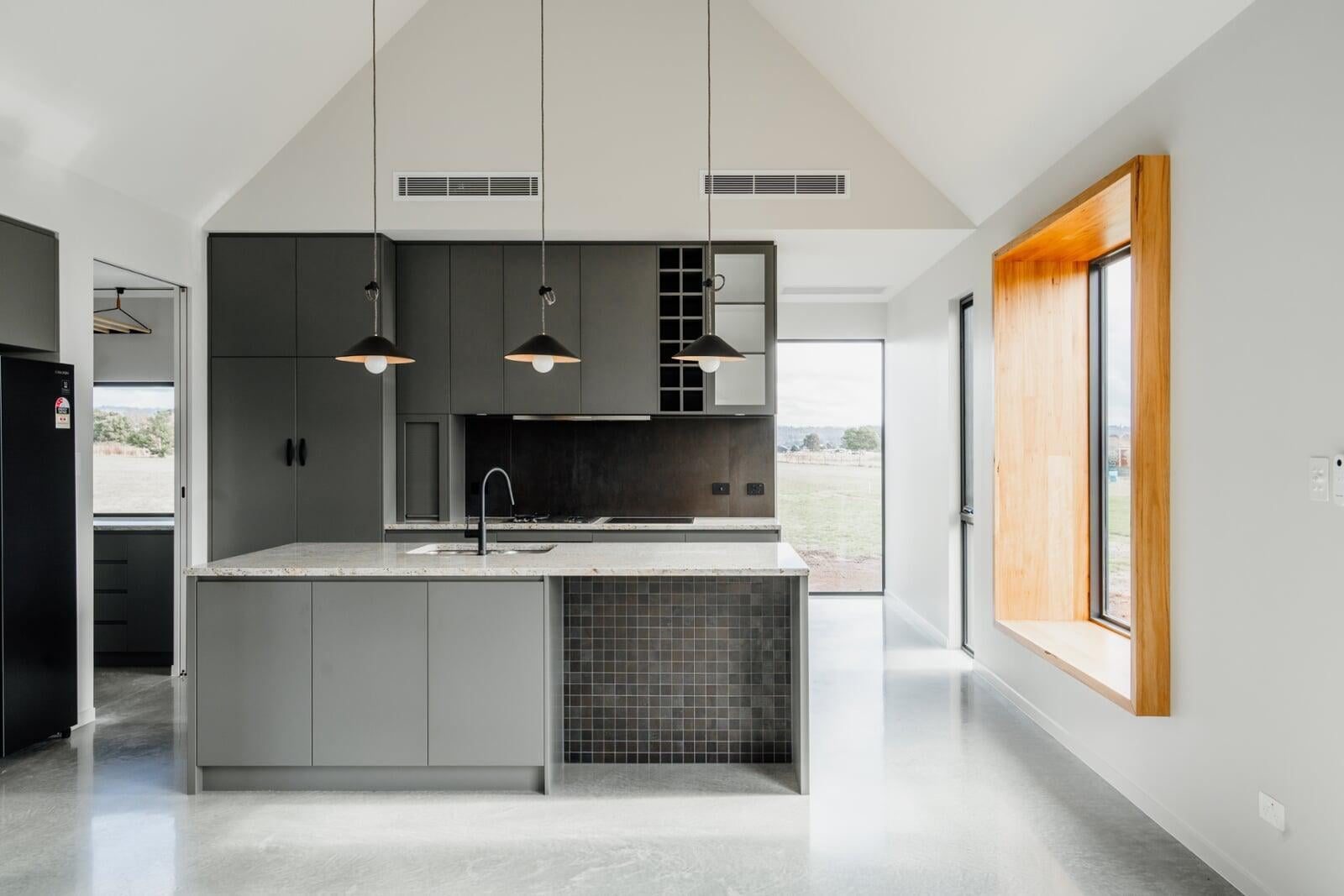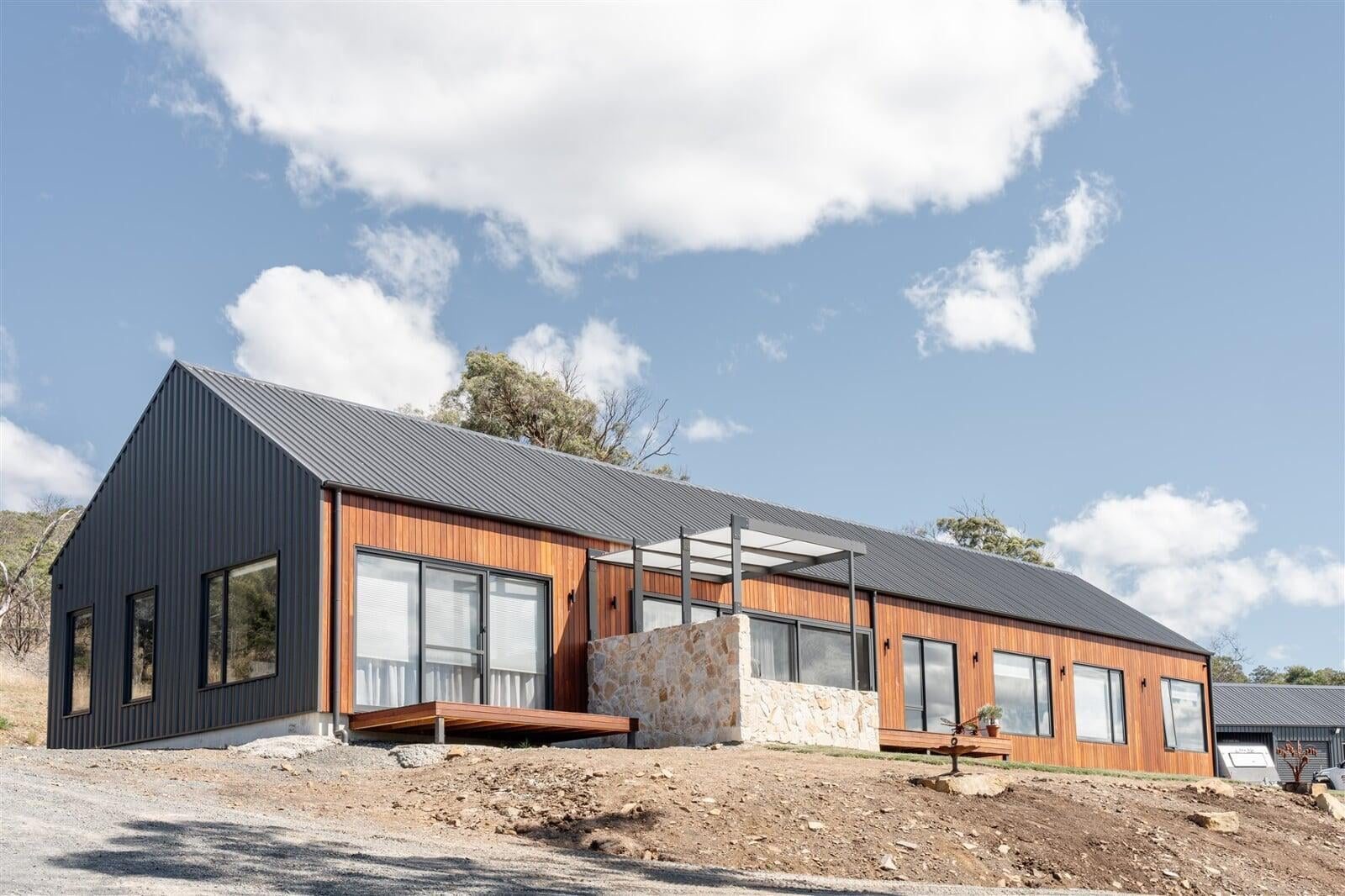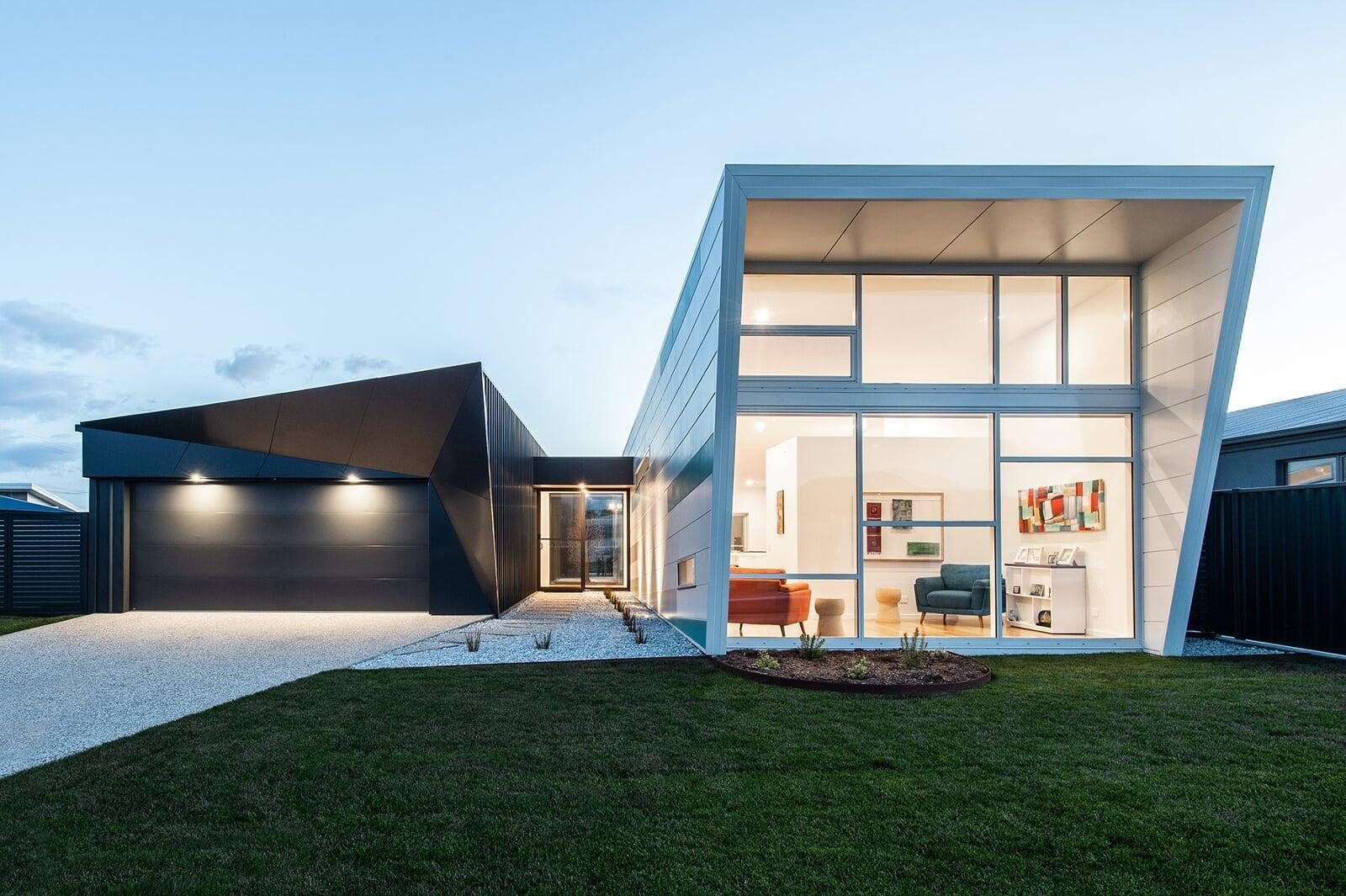
You go and see one builder about your home, and they show you beautiful designs by a particular architect. A friend points you to another builder — and they show you work by the same architect. Suddenly it feels a bit confusing. Who's working with whom? And who's actually on your side? It's one of the most misunderstood parts of building a custom home. Here's a straight explanation — for homeowners, architects and builders alike.
First, the Good Part: a Builder and Designer Who Work Together
When a builder shows you an architect's work, it's usually because the two work closely together. Some architects and designers deliberately team up with builders so that design and construction are joined up rather than two disconnected stages. (There's more than one way to structure that arrangement — we'll come to the difference shortly, because it genuinely matters.)
For a homeowner, that collaboration is a genuinely great service. Costs and design move together from the very first conversation, and you're not left stitching two separate professionals together yourself. It's the difference between a team that's done a hundred homes together and two strangers meeting for the first time on your project.
Why You Might See the Same Designer at Two Different Builders
Here's the bit that needs clearing up. A good design partner doesn't work with just one builder — they partner with several building companies. So it's entirely possible to shop around, visit two different builders, and find they both work with the same design partner.
That's normal, and it's not a stitch-up. But it does raise a fair question: if one designer is working with both builders you're considering, how does that stay fair and confidential?
What the Rules Require
Architects are a regulated profession. In Tasmania they're bound by the Architects Act 1929 (as amended in 2020) and the Board of Architects of Tasmania's Code of Practice. (Members of the Australian Institute of Architects also follow the AIA Code of Professional Conduct, though that one binds members only.) A few duties matter here:
- Confidentiality: they must not disclose a client's confidential information without written consent.
- Conflicts of interest: any relationship that could create a real or potential conflict must be disclosed, with your consent to proceed.
- Impartiality: once administering a building contract, they must act "with integrity, fairness and impartiality to all parties."
So how does that play out when one designer is partnered with two builders you're talking to? They're allowed to have both relationships — that's the nature of the model. But their confidentiality and conflict-of-interest obligations mean they generally shouldn't be telling Builder A that you're also speaking to Builder B. That's not them being evasive — who else you're considering is your information, and keeping it private protects your position. (There's no rule that says it in those exact words; it follows from those broader duties.) A good design partner stays impartial, keeps each conversation confidential, and won't play one builder off against another.
Three Ways to Price and Build — and Why They're Not the Same
Most of the confusion comes from not realising there are genuinely different ways to procure a build, and they often get muddled together. Three matter:
- Conventional (competitive) tender: you hire an architect first, design for the best part of a year, then send the finished plans out to several builders to price, and pick one — mostly on cost.
- Negotiated contract (early contractor involvement): your architect, acting as your agent, brings a preferred builder in early to advise on buildability and agree a price as the design develops. You keep an independent designer on your side and get the builder's real cost input from day one.
- Design-and-construct (D&C): you sign a single contract with one entity that both designs and builds. Convenient and fast — but the designer sits inside the builder's business, so you don't get an architect advocating independently for you.
The competitive-tender route is the one that most often blows budgets. Pricing a custom home properly takes a builder well over 200 hours, plus their subcontractors. Send one set of plans to five builders and you've burned over a thousand hours of unpaid work on a project that, for four of them, will never happen. With such slim odds of winning, tender prices are often rushed, inconsistent, and quietly missing items that resurface later as variations — and the builder pricing your home had no hand in designing it, so they're costing someone else's assumptions. The familiar result: a design that comes back well over budget.
A quick real-world comparison. Two clients, same $700,000 budget. The first had the designer and builder collaborating from the start, costing the plans along the way as a team; their home came in at $730,000 in fourteen months. The second arrived with a finished set of plans from a design-then-tender process — plans missing key decisions — and his price came back at $1.9 million. He cut half the house and still spent $950,000, moving in three and a half years after he began. Same budget; very different outcomes. That's the case for getting the builder and designer working together early.
Where Davies Sits
This early-collaboration approach is exactly how we work. When you engage Align Architecture, our design partner, they design your home as your agent and bring a preferred builder — which may be Davies — into the process early to price and pressure-test the design as it develops. That's a negotiated, early-contractor-involvement approach: design and build aligned from your first conversation, costs and design moving together, no handover gap — while your designer stays independently on your side. You can read more on our For Architects page and in our process.
The honest part worth naming: this only works on trust and transparency — which is exactly why your designer discloses their builder relationships up front and stays your impartial agent throughout, as the obligations above require. If you'd rather have a single design-and-construct contract instead, that's a valid option too — just know the trade-off: the designer then sits inside the builder's business rather than acting independently for you. The right answer depends on what matters most to you.
What This Means for You
Whichever path you choose, ask better questions early:
- Ask how — and when — your builder and designer cost a project, and whether they work together from the start.
- If you're comparing builders on a finished set of plans, make sure they're pricing the exact same documentation — otherwise you're comparing apples with oranges.
- Don't put off the budget conversation until quotes land. Have it on day one.
The most expensive mistakes in home building happen at the very start. Understanding how your builder and designer actually work together — and getting them collaborating early — is one of the simplest ways to protect both your design and your budget.
Thinking about a custom home in Tasmania? Start with a feasibility conversation — we'll show you what your site and budget can realistically deliver, with design and build aligned from the first conversation.
About the Author
Luke Davies
Luke is the founder of Davies Design & Construction and author of Dream Home. He writes about home design philosophy, lean construction, and building businesses that put people first.
0 Comments
Related Articles