As a rough rule of thumb: if the combined cost of renovating, extending, and remediating your existing home approaches 60–70% of what a complete new build on the same land would cost, a knockdown rebuild usually delivers a better result for comparable money — without the hidden costs that live inside old walls. This guide walks through the numbers behind that threshold for Tasmania in 2026.
What Renovation and Extension Actually Costs in Tasmania (2026)
Renovation work in Tasmania runs at a higher cost per square metre than most homeowners expect — because you're paying for demolition and make-good as well as new construction, and you're working within the constraints of an existing structure that may not cooperate. The Bass Strait freight premium on materials (10–20% above mainland equivalents) applies equally to renovation and new builds.
| Work Type | Cost Range (2026) | Notes |
|---|---|---|
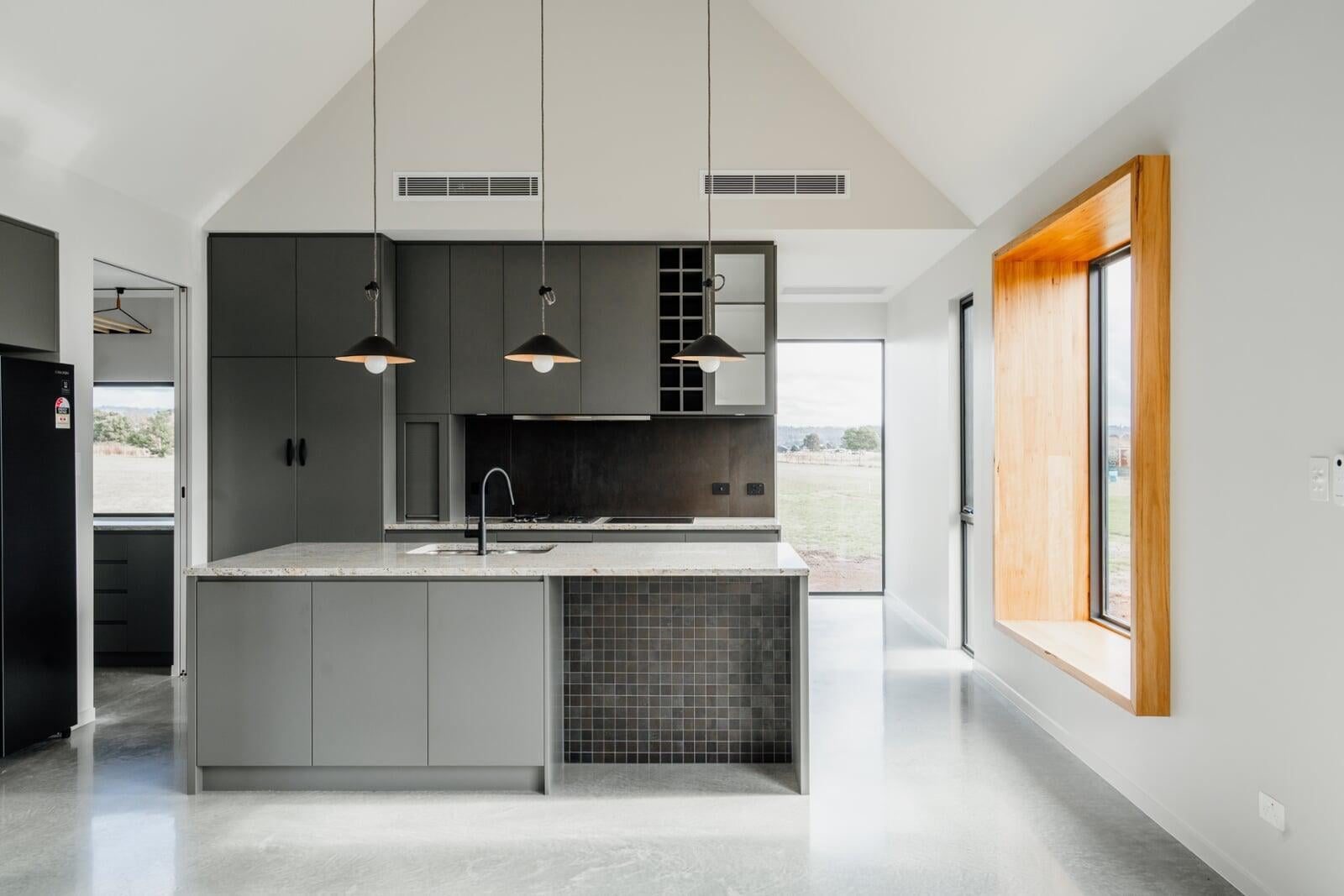
| Kitchen renovation | $30,000–$120,000+ | Budget for functional refresh; $80k–$120k+ for quality full renovation with island, integrated appliances, stone benchtops. |
| Bathroom renovation | $20,000–$60,000 | Small bathroom at lower end; master ensuite with quality fittings at upper end. Plumbing relocation adds significantly. |
| Whole-house internal renovation | $150,000–$500,000+ | Full gut, new flooring, kitchen, bathrooms, electrical/plumbing upgrades. Varies enormously by house size and condition. |
| Ground-floor extension (dry area) | $2,800–$4,500/m² | See our full home extension cost guide for a detailed breakdown. |
| Second-storey addition | $3,500–$5,500/m² | Structural complexity, temporary works, stair integration. More expensive per m² than ground-floor extension. |
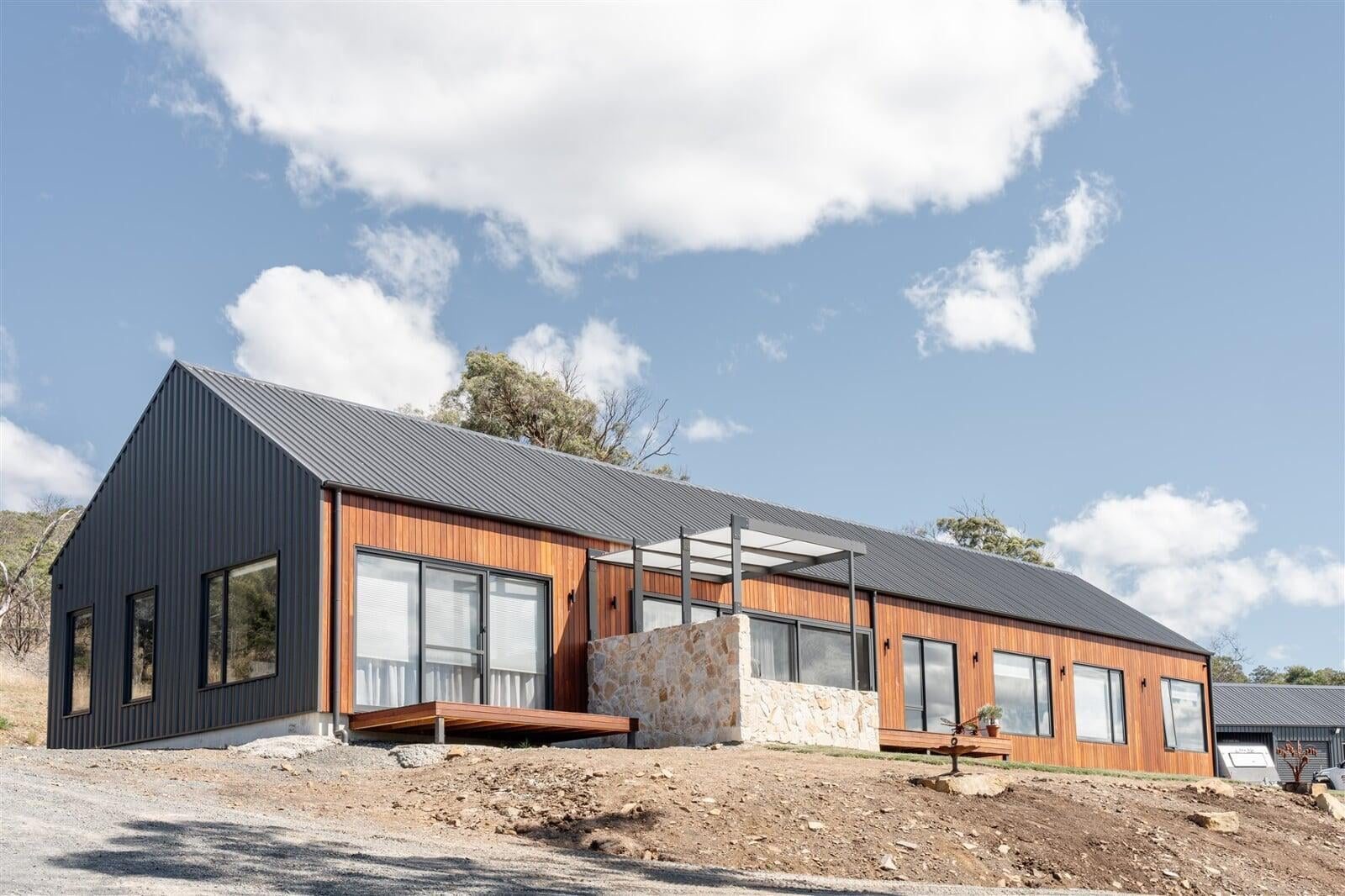
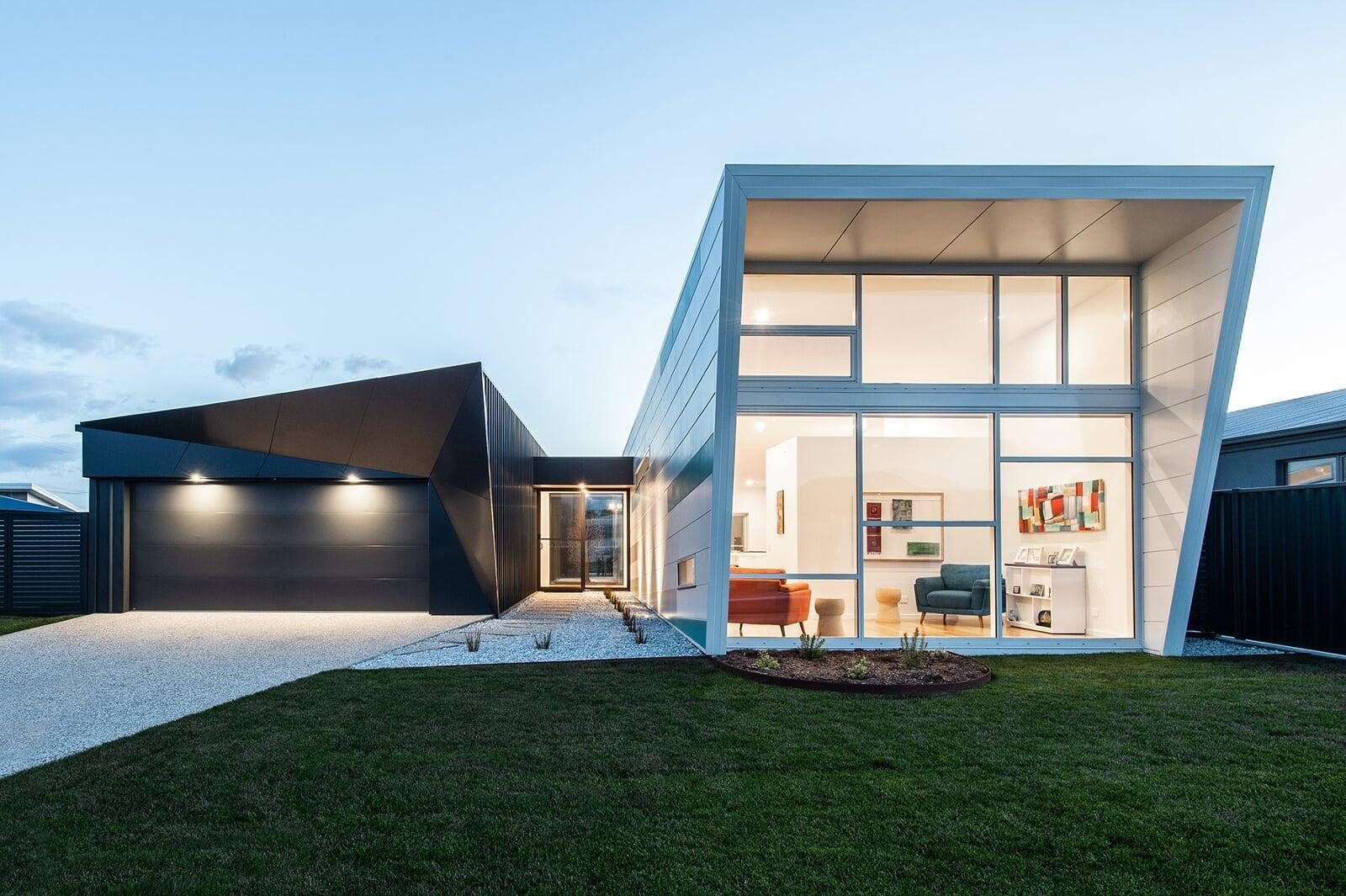
| New custom home (for comparison) | $2,500–$5,000/m² | Custom build; no demolition or make-good costs. Designed around your brief from scratch. |
The Hidden Costs That Tip the Scale
The reason the 60–70% threshold exists is that renovation budgets routinely miss costs that only appear once work begins. These hidden costs can be modest or catastrophic — and you can't know which until you start opening things up.
- Structural remediation. A renovation that starts as a cosmetic refresh can require levelling floors, replacing rotted subfloor framing, repairing cracked footings, or rebuilding failing retaining walls. Budget $15,000–$80,000 for structural remediation depending on the severity — and the extent is rarely known until demolition begins.
- Asbestos. Homes built before 1990 in Tasmania commonly contain asbestos in wall sheeting, ceiling tiles, eaves lining, floor vinyl backing, and pipe lagging. Licensed removal is mandatory and non-negotiable. Costs range from $3,000 for a small isolated area to $30,000–$60,000+ for a whole-house remediation. Any renovation touching pre-1990 materials requires a professional asbestos assessment before work begins.
- Electrical and plumbing upgrades. Older homes frequently have wiring that doesn't meet current standards (old rubber-sheathed cable, inadequate switchboards, no RCDs). Plumbing may use galvanised pipes prone to corrosion. A full renovation will typically require a comprehensive electrical upgrade ($8,000–$25,000) and plumbing re-pipe ($5,000–$20,000) on top of the visible works.
- Insulation and thermal performance. Older Tasmanian homes are often poorly insulated — critical in a state with the coldest mainland temperatures. Retrofitting insulation in walls, underfloor, and ceilings of an existing home is more expensive and less effective than building insulation in from scratch. You may spend $15,000–$30,000 on insulation upgrades and still not match the performance of a new build.
- Design compromise. When you renovate, you work around what's there — load-bearing walls, existing drainage runs, floor levels, rooflines. The compromises add up: the kitchen that couldn't quite go where you wanted, the bathroom that's awkward because the pipes were in the wrong place. A new build answers your brief directly without those constraints.
- Temporary accommodation. A full renovation often makes the home unliveable for part or all of the construction period — budget $15,000–$40,000 for rental during a 4–9 month major renovation. A knockdown rebuild on the same land requires the same: the house is demolished before the new one starts, so accommodation is needed for the full 12–18 month build. This cost applies to both paths and should not be used to differentiate them in the 60–70% comparison.
When Renovation Makes Clear Sense
The numbers don't always favour building new. Renovation is often the right call in these situations:
- Heritage overlay restrictions. Many older Tasmanian homes — particularly in Hobart, Launceston, and historically significant towns — sit on Local Heritage Registers or within heritage precincts. Demolition may be restricted or prohibited by overlay, making renovation the only option. In these cases, renovating well protects both cultural heritage and property values, which tend to be resilient in strong heritage precincts.
- Structurally excellent existing homes. If an inspection confirms sound footings, level floors, dry subfloor, and a roof with decades of life left, the structural base is already paid for. A targeted renovation in this scenario is much less risky than average — the hidden-cost exposure is low.
- Strong personal or family attachment. Sometimes the right reason to renovate is simply that you love the house and want to stay in it. This is a legitimate reason — one that doesn't need to clear a financial hurdle to be valid.
- Partial improvements, not whole-house ambitions. A single kitchen renovation or bathroom upgrade has a very different risk profile from a whole-house gut renovation. Targeted improvements with a defined scope are more predictable and more likely to stay on budget than ambitious whole-house projects.
When Building New Makes Clear Sense
- The combined renovation and extension budget approaches 60–70% of a new build cost. At this point, the new build typically delivers a better product: no compromises, no hidden-cost risk, full thermal performance, full warranty, designed exactly around your brief. The difference narrows fast once significant structural or asbestos remediation enters the renovation budget.
- You want a specific layout or performance level that can't be achieved by modifying the existing structure. Open-plan living in a home with load-bearing internal walls, passive solar orientation in a home facing the wrong way, or a high-performance thermal envelope in a building that can't be properly retrofitted — all are arguments for starting fresh.
- The existing home has significant structural or asbestos issues. A problem-riddled house is expensive and stressful to renovate. Sometimes stripping back to the slab and building new is genuinely the more rational path, not just the more appealing one.
- You qualify for the First Home Owner Grant. The FHOG ($20,000 for new builds from 1 July 2026, valid through 30 June 2027) applies to new construction only — not renovations. For eligible first home buyers, a new build attracts a meaningful government contribution that renovation doesn't.
The 60–70% Rule in Practice
Suppose your existing 3-bedroom 1970s weatherboard home needs a full renovation plus an extension. The renovation estimate comes in at $180,000 and the extension at $160,000 — total $340,000. Meanwhile, a new 200m² custom home on the same block would cost approximately $700,000–$800,000 to construct (excl. demolition ~$25,000–$50,000).
That puts the renovation + extension at around 43–49% of a new build cost — firmly on the "renovate" side of the threshold. It's probably the right call, assuming the structural inspection comes back clean.
Now add $50,000 of structural remediation and $25,000 of asbestos removal — total climbs to $415,000, or 52–59% of the new build. You're approaching the grey zone. The decision now turns on what the structural assessment reveals about the rest of the house — and whether the remediation cost is a floor or a ceiling.
First Home Owner Grant: New Builds Only
The Tasmanian First Home Owner Grant of $20,000 (reduced from $30,000 effective 1 July 2026, valid through 30 June 2027) applies to new residential construction only. Renovations and extensions — even substantial ones — are not eligible. If you are a first home buyer weighing renovation of an existing property against building new, the FHOG is a genuine financial advantage in favour of new construction.
First home buyers should also note that from 1 July 2026, the stamp duty exemption on established home purchases has ended — full stamp duty now applies to established home purchases. This further shifts the relative financial position in favour of building new. Confirm current eligibility and conditions with the State Revenue Office Tasmania at the time of application.
The Decision: A Simple Checklist
Run through these questions in order. The answers usually point clearly in one direction:
- Is demolition permitted? If your property has a heritage overlay that prevents demolition, the question is answered for you — renovate well, or sell.
- Get a building inspection. Before running any numbers, commission a professional building report. The structural condition assessment will either validate renovation or reveal hidden costs that change the calculation entirely. Don't skip this step.
- Get a renovation quote and a new build estimate. Have both assessed by a builder who does both (or who can honestly tell you which path they'd take). Compare the two numbers including all site works, professional fees, and contingency.
- Apply the 60–70% threshold. If renovation + extension + remediation totals less than 60% of a new build cost, renovating is likely the financially rational choice. Above 70%, rebuilding is almost certainly better. In the 60–70% zone, the decision turns on non-financial factors: attachment to the home, heritage constraints, specific layout goals.
- Consider the FHOG. If you're a first home buyer and eligible for the $20,000 FHOG, weight that in favour of new construction.
- Think about thermal performance over the life of the home. A well-built new home in Tasmania can cut annual heating and cooling costs by $2,000–$5,000 compared to a poorly insulated older home. Over 20–30 years, that's real money — and it argues for building tight and right, not retrofitting.
Frequently Asked Questions
Is it cheaper to renovate or build new in Tasmania?
It depends on the scope and the condition of the existing structure. Targeted renovations (a single kitchen or bathroom) are usually cheaper than the equivalent new construction. But whole-house gut renovations combined with significant extensions often approach or exceed the cost of a new build — especially once structural remediation, asbestos removal, and electrical/plumbing upgrades are included. The 60–70% rule provides a practical threshold: if renovation and extension together cost more than 60–70% of what a new build would, rebuilding typically delivers more for comparable money.
How much does a whole-house renovation cost in Tasmania?
A full internal renovation of a typical 3–4 bedroom Tasmanian home — new kitchen, bathrooms, flooring, electrical, and plumbing throughout — costs $150,000–$500,000+ depending on the size and specification level. Pre-1990 homes add asbestos remediation risk ($3,000–$60,000+). A building inspection is essential before committing to any budget.
Do I get the First Home Owner Grant if I renovate?
No. The Tasmanian FHOG ($20,000 from 1 July 2026) applies only to new residential construction — not renovations or extensions of existing homes. If you are a first home buyer considering both paths, the FHOG is a financial argument in favour of building new. Confirm eligibility with the State Revenue Office Tasmania.
Should I renovate or knock down and rebuild?
Start with a professional building inspection to assess the structure — this is the most important step. Then get quotes for both paths and apply the 60–70% threshold: if renovation + extension + remediation costs exceed 60–70% of a comparable new build, rebuilding is usually the better option. Heritage overlays may restrict demolition — check your property's planning constraints via PlanBuild Tasmania's free enquiry service (planbuild.tas.gov.au) before making any assumptions.
Talk It Through with Us
Davies Design & Construction has been building and extending homes in northern Tasmania since 2009. We've seen most combinations of existing structure and client brief — and we'll give you an honest read on which path makes sense for your situation, not the one that suits us best.
If you're weighing renovation against a knockdown rebuild, explore our guides to home extension costs in Tasmania, knockdown rebuilds in Tasmania, and our 2026 Cost Guide — or get in touch to talk through your specific project.
About the Author
Luke Davies
Luke is the founder of Davies Design & Construction and author of Dream Home. He writes about home design philosophy, lean construction, and building businesses that put people first.
0 Comments
Related Articles