
Human beings love beautiful buildings. From the cosy allure of a beaten bush cabin to the grandeur of a historic cathedral or the daring design of a modern art gallery, we love incredible architecture because we instinctively understand that the built environment has a profound effect on our outlook and wellbeing.
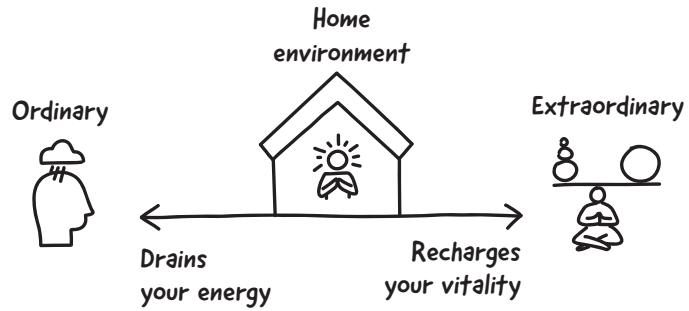
The place that has the greatest impact of all is, naturally, where we spend most of our time — our home environment. One of the keys to a successful, creative, balanced, inspiring, healthy and happy life is to understand that our quality of life can be better or worse based on the building we live in.
Maslow's Hierarchy of Needs — Applied to Home Design
Psychologist Abraham Maslow developed a theory of human motivation known as Maslow's Hierarchy of Needs. It describes the five basic human needs from the most elementary to the most complex:
- Physiological needs: Air, food, water, shelter
- Security needs: Safety for yourself and your family
- Belongingness needs: Social connection with family and friends
- Esteem needs: Aesthetics, creativity, moods, luxuries
- Self-actualisation needs: Living to our fullest potential
The Habitat Hierarchy
The Habitat Hierarchy adapts Maslow's work for the constructed environment. It's a tool I use to clarify the role that living environments play in our lives, helping define the way dream homes can produce a different life for the occupant, rather than merely being a simple provision of shelter.
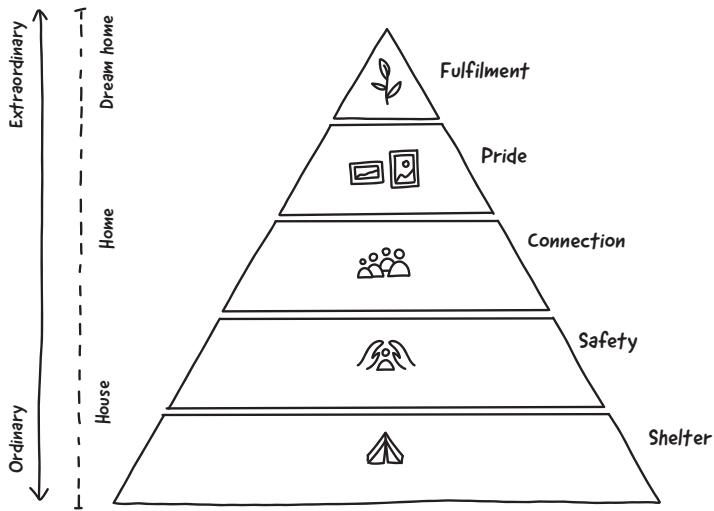
Starting from the base of the pyramid, the levels are:
- Shelter: Basic shelter that offers some protection from the elements
- Safety: A space that provides a feeling of safety
- Connection: A space where you feel a sense of connection with yourself, your family and friends
- Pride: A unique space that is a reflection of your style, personality and social status
- Fulfilment: A conscious environment in harmony with nature — your sanctuary
House, Home and Dream Home
A house fulfils only the lower rungs of the Habitat Hierarchy — it provides shelter and safety, but little more. In fact, sometimes these buildings can harm your health in what's known as sick building syndrome. Learn more in our article on Health: When Buildings Make Us Sick.
A home is a customised space designed for connection with others that reflects your individual style and values, instils a sense of pride, functions how you want, makes you healthier and transforms the way you feel each day.
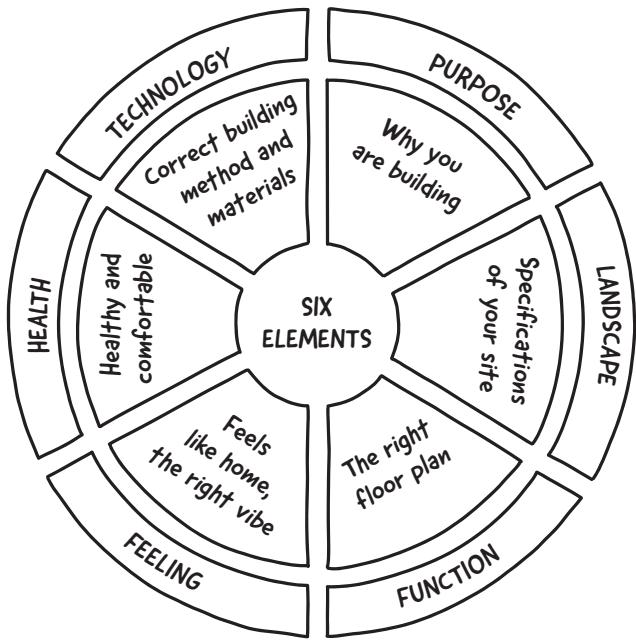
A dream home can be a tiny house or a mansion. The size doesn't have anything to do with the fulfilment you receive from it. Every building should be designed and constructed to reach as close to the top of the Habitat Hierarchy as possible. Explore the Purpose element to understand why.
Dream Home-Work
- Reflect on the houses you have lived in and the Habitat Hierarchy — can you see a connection?
- Consider whether your home is draining your energy or recharging your vitality.
- Work out where on the Habitat Hierarchy your current home fits.
About the Author
Luke Davies
Luke is the founder of Davies Design & Construction and author of Dream Home. He writes about home design philosophy, lean construction, and building businesses that put people first.
0 Comments
Related Articles

Budgeting Project Costs: The Four Ss and the Myth of the Square-Metre Rate
Read More →
The ABC Method: Why Your Architect and Builder Must Work Together
Read More →