
Before you involve an architect, builder or interior designer, there's one exercise that can save you months of revisions, tens of thousands of dollars, and a lot of frustration: separating your needs from your wants.
It sounds simple, but most people conflate the two — and it's one of the biggest reasons projects go over budget or end up with rooms that don't get used.
Needs vs Wants — What's the Difference?
Needs are your must-haves — the non-negotiables that your home simply won't work without. Three bedrooms. A home office. A bathroom on the ground floor. These are driven by lifestyle, family size, accessibility, and daily function.
Wants are your nice-to-haves — features you'd love if the budget allows. Custom-designed tapware. A wine cellar. A second living room. These are the things that elevate a home from functional to extraordinary, but they're not essential.
Why This Matters So Much
When you hand your designer a list that mixes needs and wants together, everything looks equally important. That means your architect designs for everything — and you end up with plans that cost 30–50% more than your budget allows.
By separating needs from wants and prioritising each item from 1 to 3 (1 being your top priority), you give your design team the clarity they need to make smart trade-offs on your behalf. When decisions have to be made — and they always do — everyone knows what matters most.
The Exercise: Your Top Three
Start by identifying your top three needs — the three things your home absolutely must have. Then do the same for wants. Be honest with yourself; it's tempting to promote wants into needs, but that defeats the purpose.
Needs: Must-Haves
List everything your home must have and rate each from 1 (top priority) to 3:
- How many bedrooms do you need, and why?
- What rooms are essential for your daily routine?
- Are there accessibility requirements for anyone in your household?
- What storage is non-negotiable?
Wants: Nice-to-Haves
List the features you'd love if budget allows, rated 1–3:
- What luxury features would make your home feel special?
- Are there design flourishes you've always dreamed about?
- What outdoor features would enhance your lifestyle?
- Are there technology or sustainability upgrades you'd love?
Using This With Your Designer
Once you've completed your lists, share them with your architect and builder. A good design team will use your prioritised needs as the foundation of the design, then layer in wants according to budget. This is exactly how we work at Davies — your priorities drive every decision. Learn more about how this fits into the ABC Method.
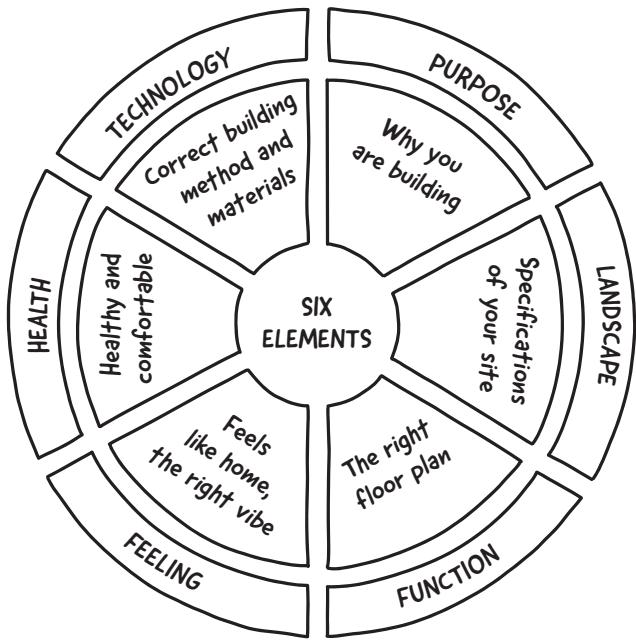
For a deeper understanding of how to structure your brief across all six dimensions, read about Purpose, Function, and Feeling — they'll help you categorise your needs and wants more effectively.
"An interior is the natural projection of the soul." — Coco Chanel
About the Author
Luke Davies
Luke is the founder of Davies Design & Construction and author of Dream Home. He writes about home design philosophy, lean construction, and building businesses that put people first.
0 Comments
Related Articles
Meeting Prep: The Five-Part Agenda for Builder & Architect Meetings
Read More →
Project Feasibility: The Four Cost Categories Every Homeowner Must Know
Read More →