After designing and building dozens of custom homes across Tasmania's Northwest Coast, we've learned exactly what separates a project that runs smoothly from one that stalls, blows out, or disappoints. The difference almost always comes down to one thing: the quality of the design brief.
A great brief doesn't mean a 50-page document. It means clarity — about who you are, how you live, what matters to you, and what your site demands. If you came to Davies Construction with the information outlined below, your project would have the best possible chance of success from day one.
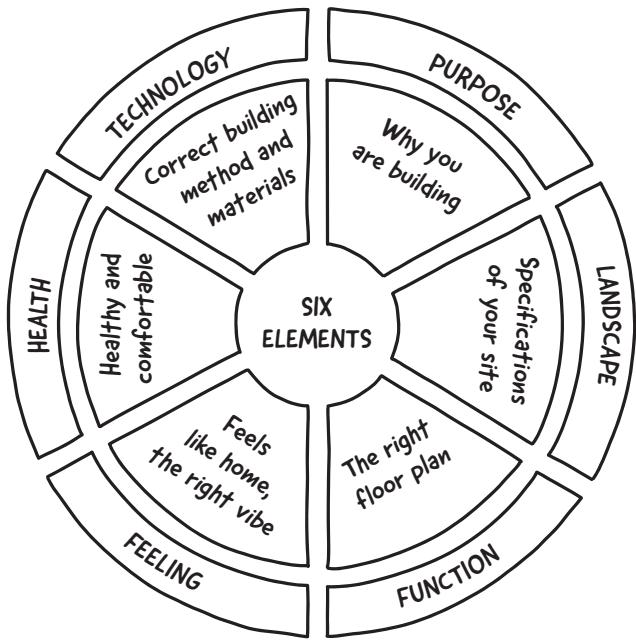
1. Purpose — Why Are You Building?
This is the question most people skip, and it's the most important one. Before you think about floor plans and finishes, you need to articulate why you're building this home. The answer shapes everything.
- Life stage: Are you building a forever home for retirement? A family home for the next 20 years? A weekender that becomes your primary residence?
- Motivation: Is this a sea change, a tree change, coming home to Tasmania, or upgrading from a home that no longer works?
- Legacy: How long do you intend to live here? Will this home need to adapt as your family changes?
- Values: What do you value most — sustainability, craftsmanship, low maintenance, connection to nature, privacy, community?
Brief prompt
"In one paragraph, describe why you're building this home and what it means to you and your family."
2. People — Who Will Live Here?
A home is designed for specific people, not abstract occupants. We need to understand your household in detail:
- Household members: Names, ages, and any specific needs (mobility, home office, music practice, teenage independence).
- Pets: Type, size, indoor/outdoor habits. A mudroom for a Labrador is very different from a cat flap.
- Guests: How often do you host? Overnight guests? Extended family stays? Do you need a self-contained guest suite?
- Future changes: Are children arriving, leaving, or returning? Are ageing parents likely to move in?
3. Landscape — Your Site's Story
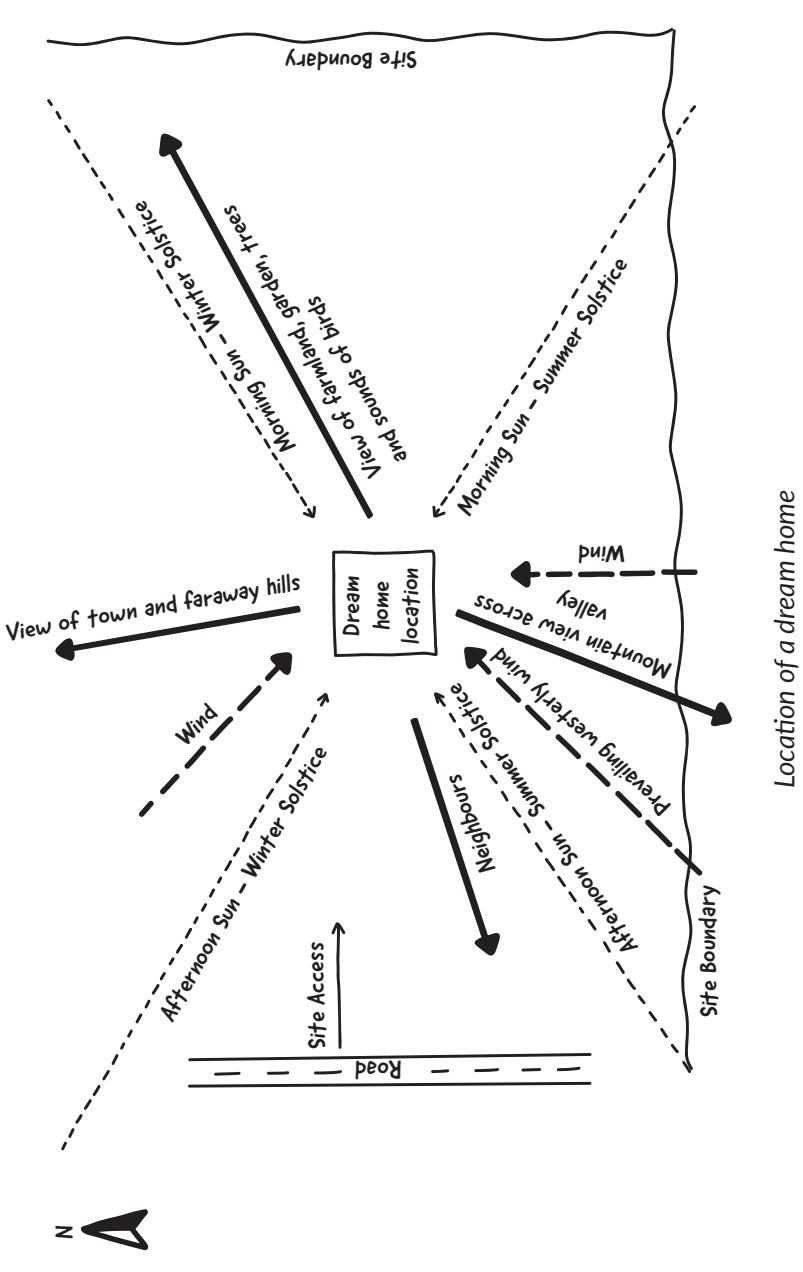
Every site has a unique character — its orientation, slope, soil, views, wind patterns, vegetation, and neighbours. The ideal brief includes everything you know about your land:
- Title and survey: A current title search and, ideally, a feature and contour survey.
- Orientation: Where is north? Where does the sun rise and set in summer and winter?
- Views: What do you want to see from the main living areas? What do you want to screen out?
- Access: Where is the driveway entry? Are there easements, covenants, or overlays?
- Services: Power, water, sewer, gas, internet — what's connected and what needs to be brought in?
- Hazards: Bushfire Attack Level (BAL), flood overlays, landslip risk, heritage considerations.
4. Function — How You Actually Live
This is where most briefs fall short. People list rooms they want without explaining how they use them. We want to understand your daily life:
- Morning routine: Walk us through a typical morning. Who gets up first? Where does coffee happen? How do kids get ready for school?
- Cooking and entertaining: Do you cook together? Is the kitchen the social hub? Do you host formal dinners or casual barbecues?
- Work from home: How many people need dedicated workspaces? Do you need acoustic separation for calls?
- Storage: This is the single biggest source of frustration in new homes. Be specific about what you own and where it lives — bikes, surfboards, wine, tools, seasonal items.
- Laundry: Where does washing happen, dry, get folded, and get put away? The full cycle matters.
- Arrival sequence: What happens when you come home? Where do bags, shoes, keys and coats go?
Exercise: Room-by-Room Brief
For each room, answer these four questions:
- Purpose: What is this room for? (Be specific — "a place to read alone" not just "study")
- Feeling: How should this room make you feel? (Calm, energised, connected, private)
- Details: What specific items, furniture or features must it accommodate?
- Adjacencies: What rooms should it be near or far from?
5. Feeling — The Emotional Brief
This is what elevates a house into a home. Most clients struggle to articulate this, but it's perhaps the most valuable part of the brief. We use a concept from the Dream Home book called "mood recipes" — combining sensory elements to create specific emotional responses.
- Inspiration images: Collect 10–15 images that make you feel something. Not just "I like that kitchen" but "this image makes me feel calm and grounded." Tell us why you're drawn to each one.
- Materials palette: Do you gravitate toward timber, stone, concrete, steel, render? Warm tones or cool? Rough textures or smooth?
- Light: Do you prefer bright, sun-drenched spaces or moody, cocooned rooms? How important is natural light?
- Sound: Do you want to hear the rain on a roof? Birds? Silence? Music throughout?
- Connection: How connected should inside and outside feel? Full-height glazing or intimate windows framing specific views?
6. Health — Building for Wellbeing
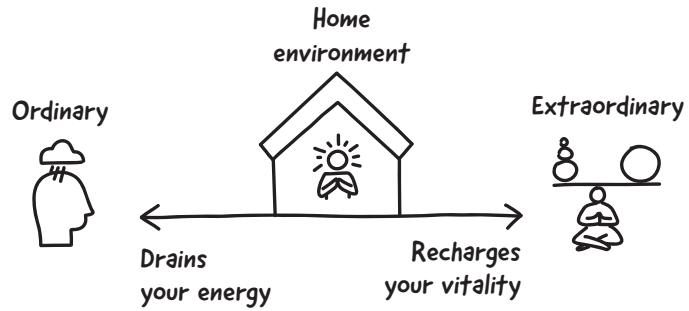
Australians spend up to 90% of their time indoors. Your home should actively support your health, not undermine it. Tell us about:
- Air quality: Allergies, asthma, chemical sensitivities — these inform ventilation strategy and material selection.
- Thermal comfort: Are you interested in Passivhaus-level performance? How important is year-round comfort without relying on heating and cooling?
- Accessibility: Do you need step-free access now or want to future-proof for it? Wider doorways, accessible bathrooms, single-level living?
- Wellness features: Sauna, cold plunge, yoga space, gym, meditation room?
7. Technology — How Smart Do You Want Your Home?
- Energy: Solar panels, battery storage, EV charging, heat pump hot water?
- Building envelope: Passivhaus certification, high-performance glazing, airtightness targets?
- Smart home: Automated lighting, heating, blinds, security? Whole-house audio? Which ecosystem (Apple, Google, Control4)?
- Internet and data: How critical is connectivity? Do you need structured cabling throughout?
8. Budget, Timeline & Priorities
Transparency about budget is not optional — it's essential. An architect designing without a budget is like a chef cooking without knowing how many guests are coming. Share:
- Total project budget: Not just construction — include architect fees (typically 8–12%), consultants, site works, landscaping, and a contingency of 10–15%.
- Budget comfort zone: What's your ideal spend? What's your absolute maximum?
- Timeline: When do you need to be in? Is there a hard deadline (school term, lease expiry, retirement date)?
- The Iron Triangle: Quality, time, and budget — which two matter most? You can optimise for two, but rarely all three.
The Needs vs Wants Exercise
List every feature you want in your home, then categorise each as:
- Must have: Non-negotiable. The home doesn't work without it.
- Should have: Important but you could compromise on the specification.
- Nice to have: Would love it, but can live without it or add it later.
This single exercise has saved our clients tens of thousands of dollars by preventing scope creep and ensuring the budget goes where it matters most.
9. What You Love and What You'd Leave Behind
Your current home is a goldmine of design data. Walk through every room and note:
- What works: The morning sun in the kitchen. The way the laundry connects to the clothesline. The storage in the garage.
- What doesn't: The dark hallway. The bathroom that's too far from the bedroom. The kitchen bench that's always cluttered because there's nowhere else to put things.
- Other homes you've loved: Holiday rentals, friends' homes, display homes, hotels — what specifically impressed you?
10. Your Non-Negotiables
Every project has a handful of things that absolutely must happen. These are your line-in-the-sand items — the features or qualities that, if missing, would mean the project has failed in your eyes. Examples:
- "We must be able to see the mountain from the main living area."
- "The home must be single-level for accessibility."
- "We need a completely self-contained guest suite for my mother."
- "The home must achieve Passivhaus certification."
- "We need to be in by December 2026."
The Brief That Sets Your Project Up for Success
You don't need to have all of this perfectly polished before your first conversation with us. But the more of these questions you've thought about — even roughly — the faster and more accurately we can assess feasibility, provide realistic budget guidance, and start designing a home that genuinely fits your life.
The clients who arrive with a thoughtful brief aren't just easier to work with — they get better homes. They waste less money on redesigns. They make faster decisions. And they end up with a home that feels like it was always meant to exist on that site, for that family.
If you'd like a structured template to work through these questions, our free resources walk you through every section with guided exercises. And Luke's Dream Home book provides the philosophy and thinking behind each element.
About the Author
Luke Davies
Luke is the founder of Davies Design & Construction and author of Dream Home. He writes about home design philosophy, lean construction, and building businesses that put people first.
0 Comments
Related Articles